
 UK
UK  EN
EN  RU
RU 
Document

Translation
High-quality translation is more than just converting text into another language.
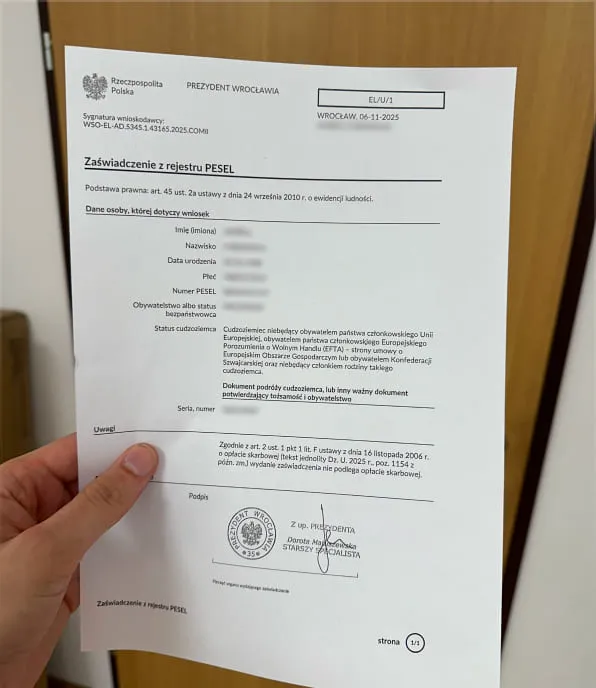
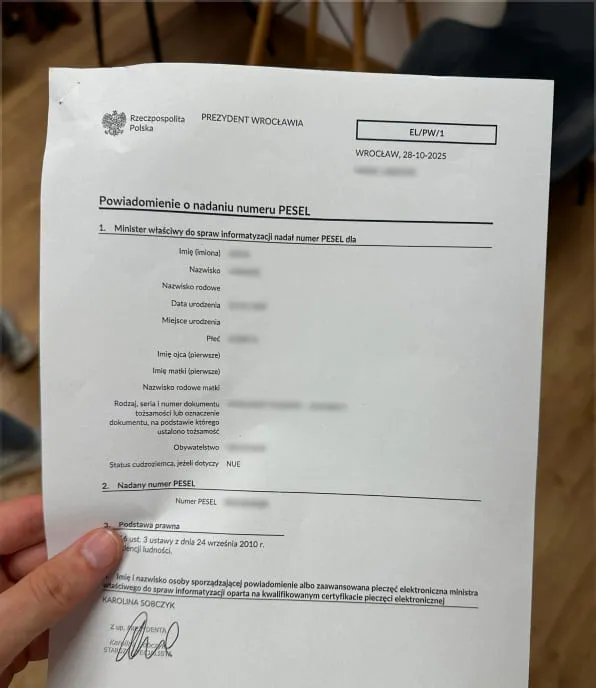
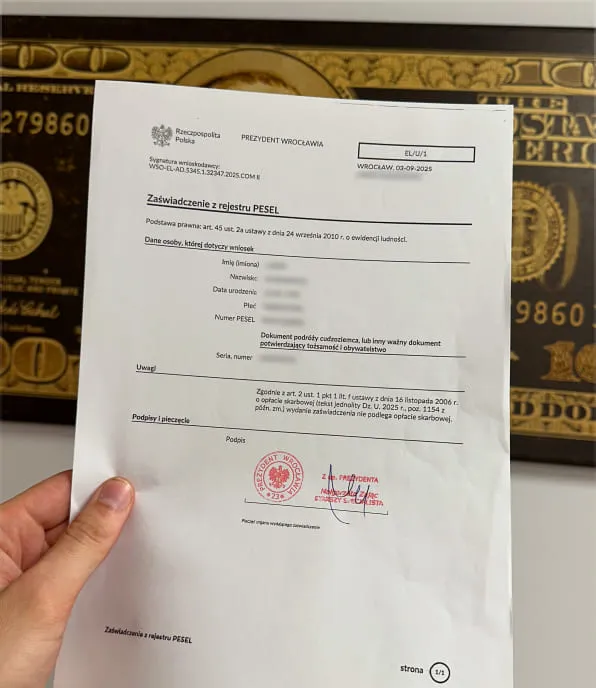
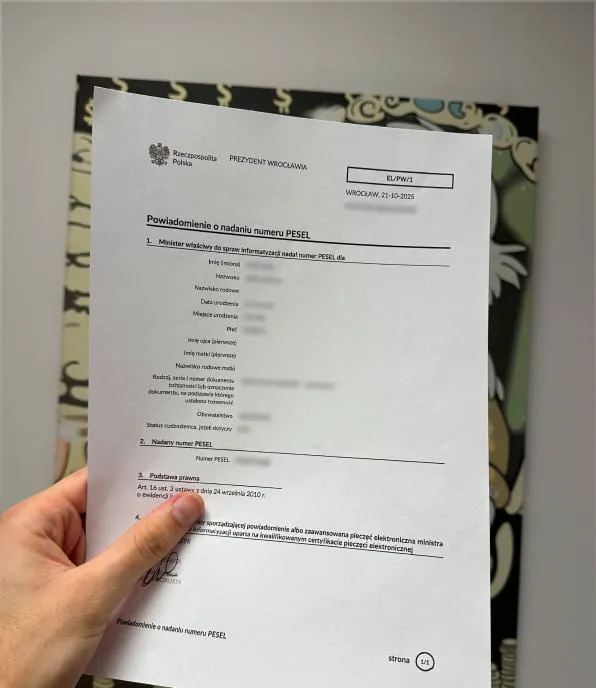
We provide official document translations accepted by government institutions, embassies, courts, and educational institutions in Poland, Georgia, the USA, and other countries.


Document Translation:
What You Need to Know

Official document translation is not just switching languages — it is a legally significant procedure that must be accepted by government institutions, courts, universities, and consulates. A high-quality translation is required when:
- documents need to be submitted to government offices or for immigration procedures;
- handling cases in court, with a notary, or when signing contracts;
- documents are submitted to Polish universities, employers, or international companies;
- the applicant contacts embassies of Poland, Georgia, the USA, or other countries;
- it is necessary to confirm the legality or authenticity of a document abroad.

We work with all types of official documents and provide translations that are accepted in Ukraine, Poland, and other countries. Most often, clients request the translation of:
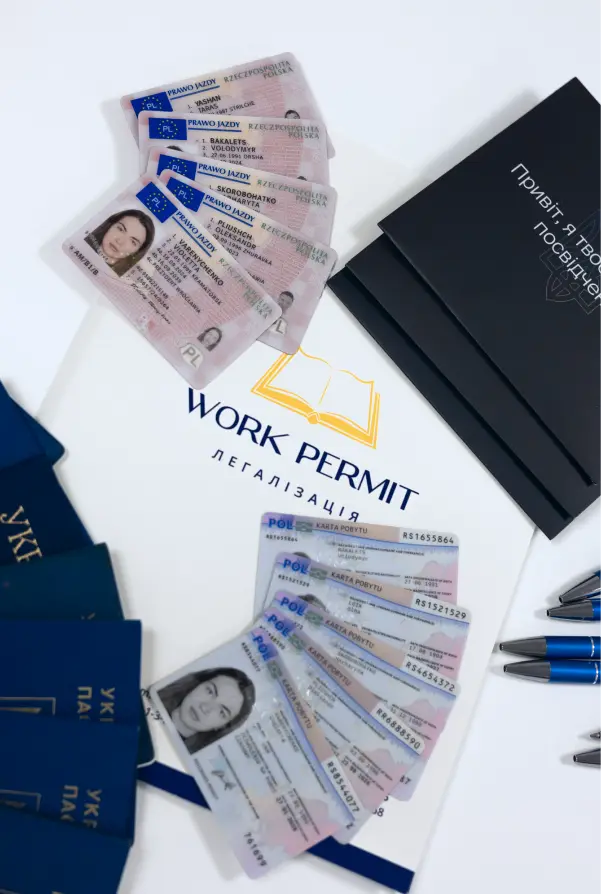
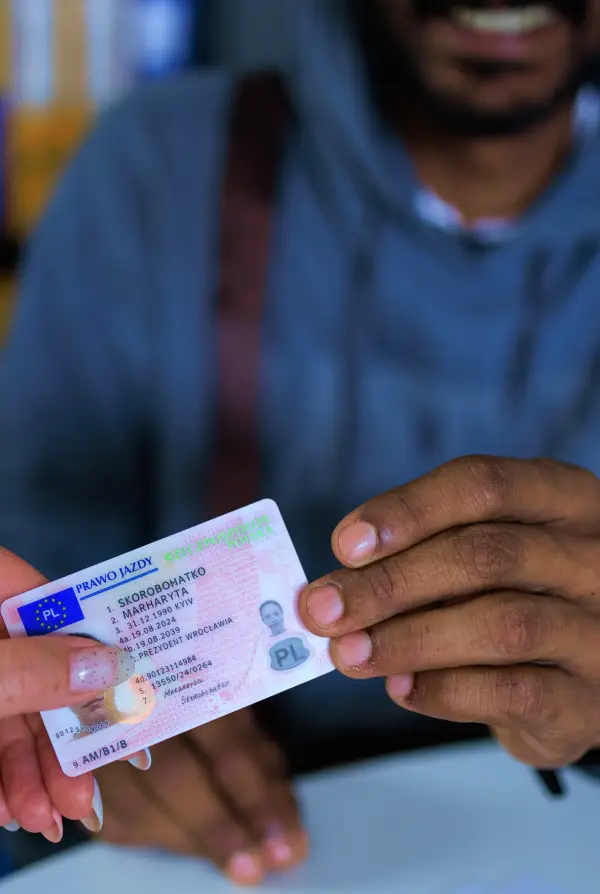
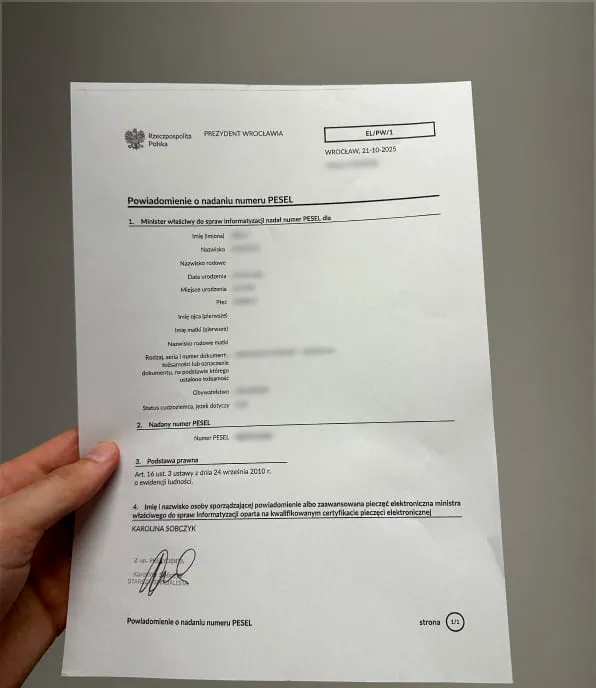
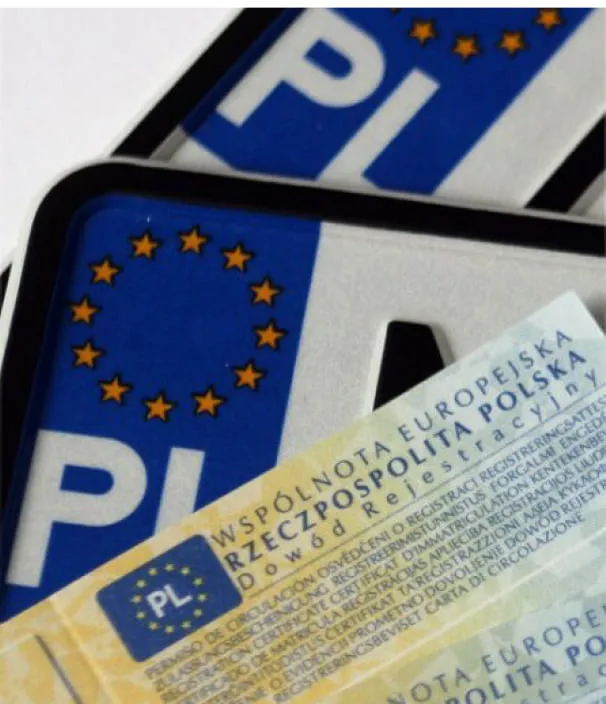
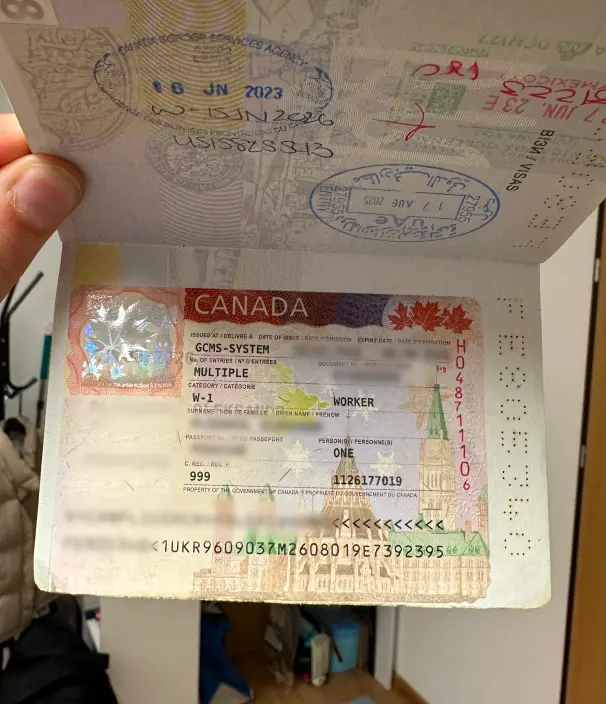
- passports, residence permits, driver’s licenses;
- birth certificates, marriage certificates, death certificates, name-change documents;
- contracts, notarial acts, financial documents;
- diplomas, school certificates, transcripts, academic records;
- court decisions, applications, powers of attorney, and other legal documents.
The official translation procedure looks like this:
- Document assessment. We determine the language, complexity, and type of document, as well as the requirements of the institution where it will be submitted.
- Translation and verification. We perform the translation with attention to terminology, data structure, and correct phrasing. Every page is thoroughly checked.
- Notarial certification or preparation for submission. If needed, we arrange notarial certification, certified copies, or apostille processing.
- Final document. You receive the official translation in the required format—paper or electronic—fully ready for submission.
Having your translation done with us means:
- Legal accuracy. We follow international and Polish translation standards, ensuring the document is accepted by official institutions.
- Correct terminology. We work with specialized texts: legal, financial, technical, and academic.
- Fast turnaround. Deadlines are set individually — urgent translation is available.
- No risk of errors. Every document is proofread, so there are no delays or rejections during submission.
- Ready-to-submit result. The translation is immediately valid for submission to institutions in Poland, Ukraine, Georgia, the USA, and other countries.
ABOUT US

years of experience in the field of migration services
offices in the city of Wrocław
positive reviews
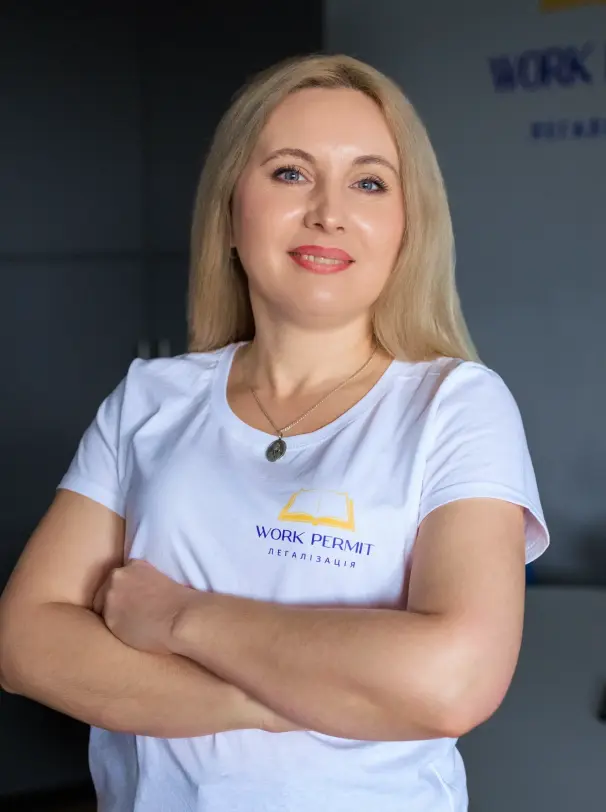
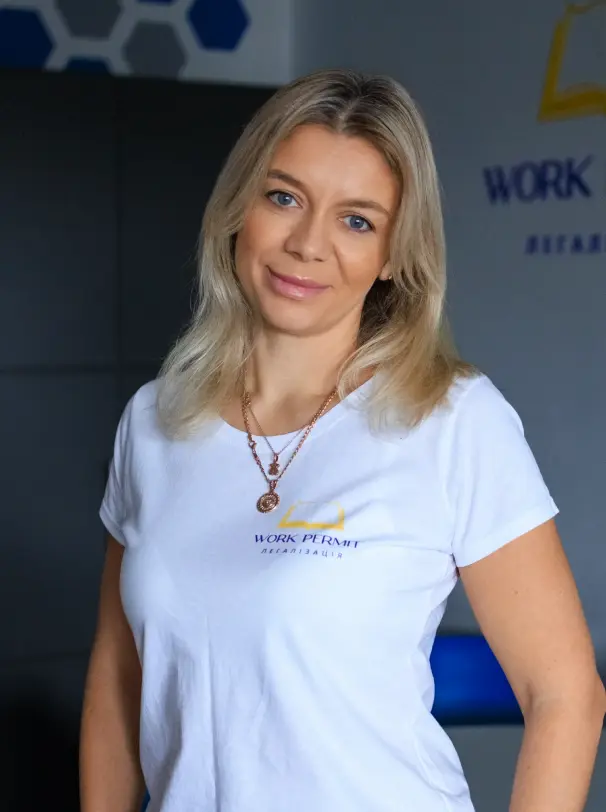
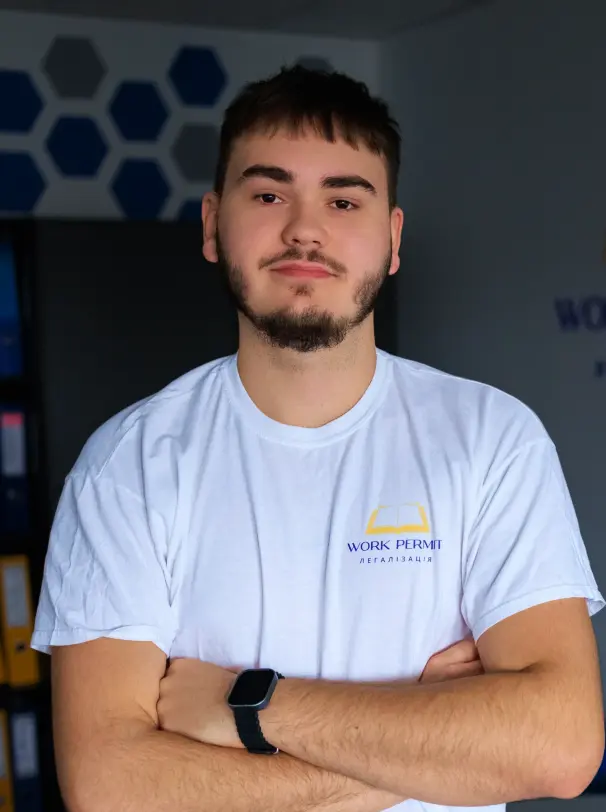
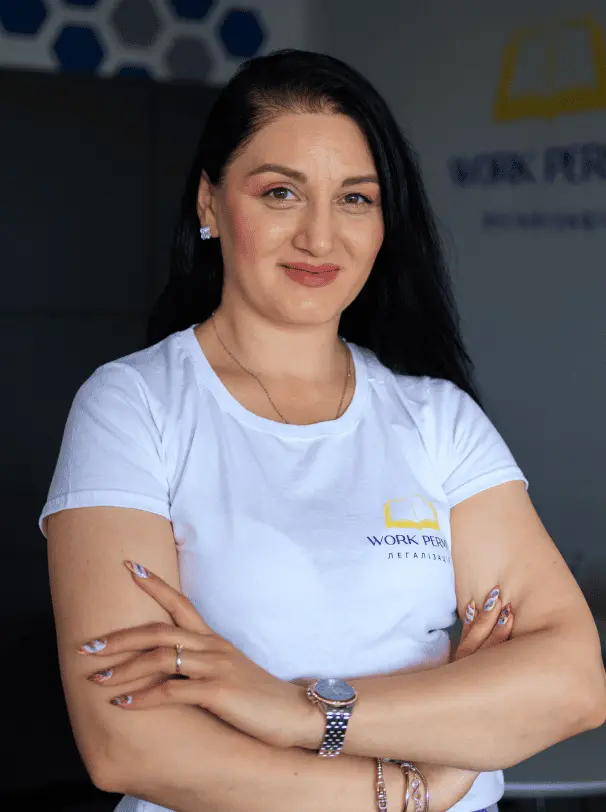
qualified specialists on the team
We create solutions that make life easier and bring satisfaction to every client.
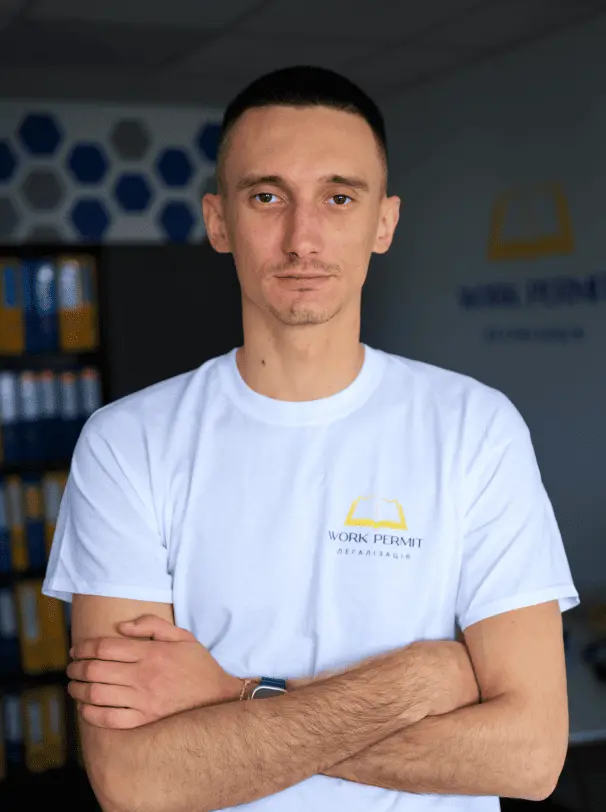

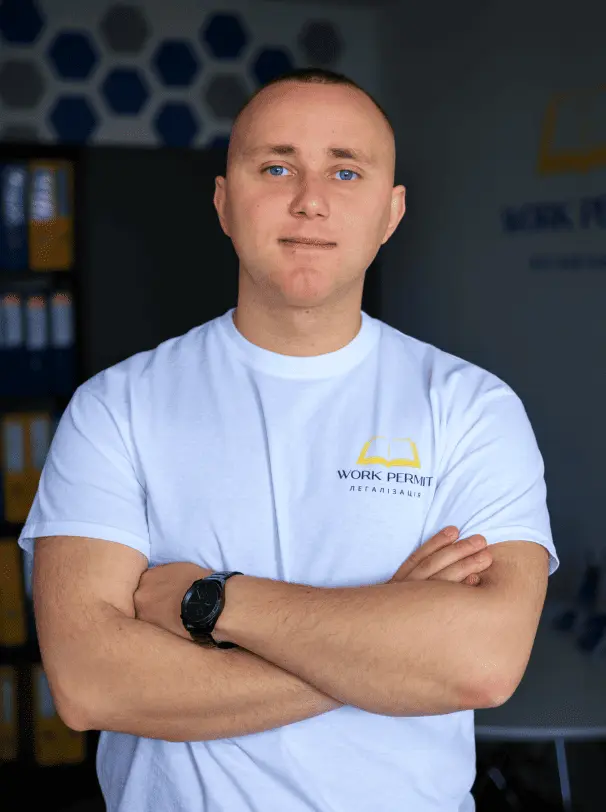
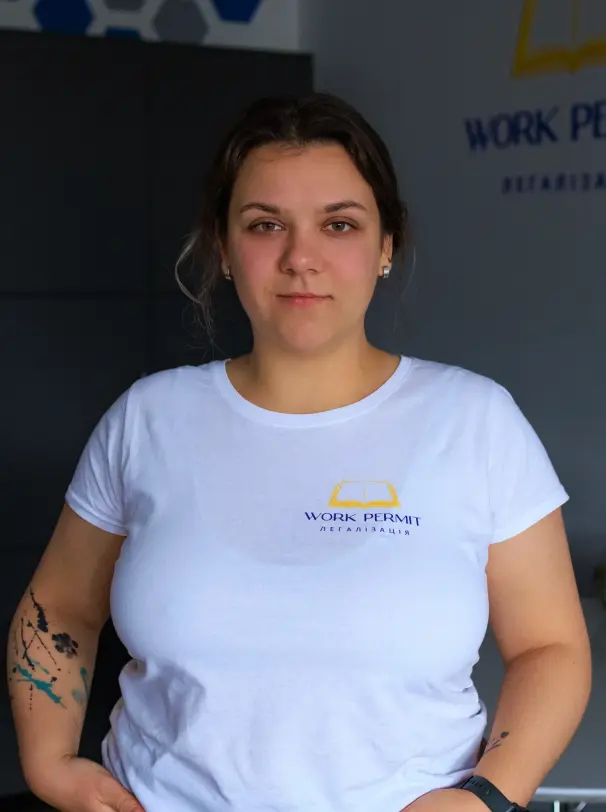
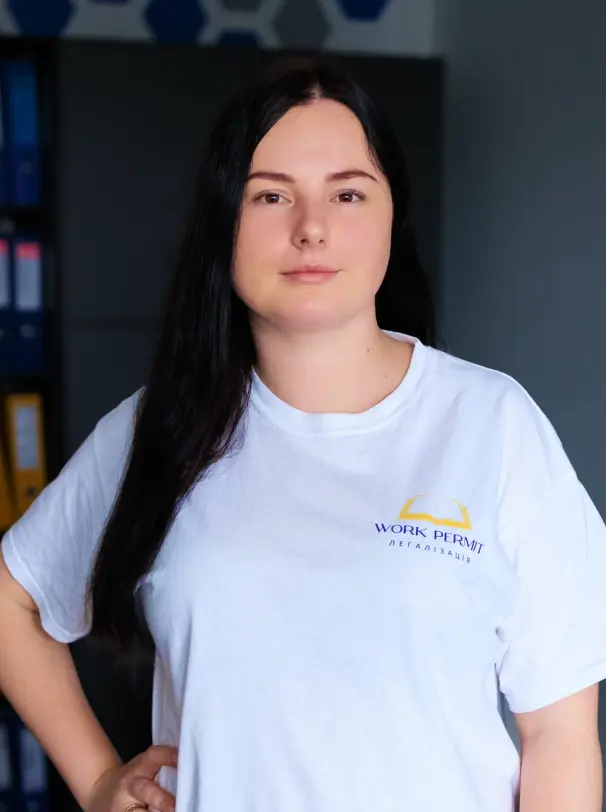


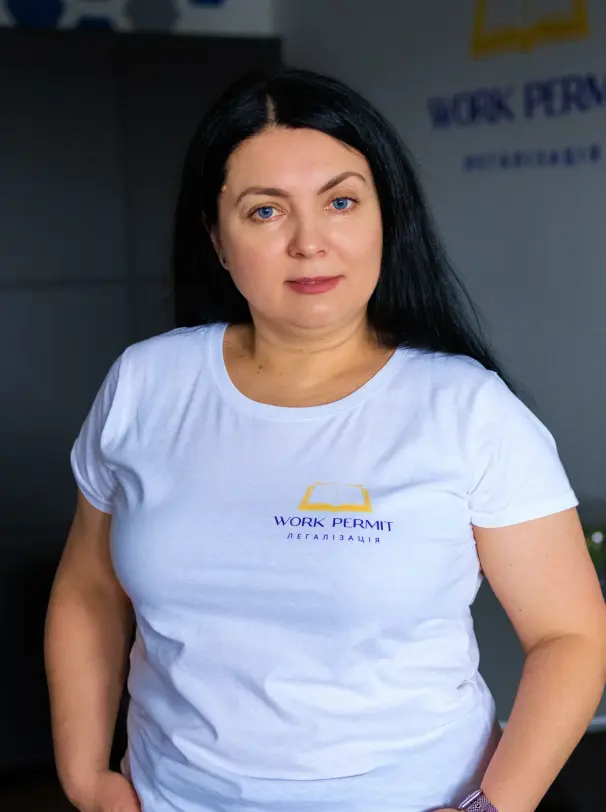

Professional Document Translation in Poland:
how to ensure accuracy and official validity
Official translation of documents in Poland is a responsible process that requires not only language proficiency, but also an understanding of legal specifics. Documents are submitted to state institutions, courts, universities, medical facilities or international companies, so the translation must be error-free and comply with established standards.
In this SEO section, we explain what to consider before submitting documents, which types of translations are requested most often, and what requirements Polish and foreign institutions usually set.
Which documents most often require official translation
In Poland, translations are needed in many more situations than it may seem at first glance. Both private individuals and companies turn to us, so the range of documents is quite broad.
Most often the following are translated:
- personal documents — passports, certificates, confirmations, residence permits;
- education documents — diplomas, supplements, school certificates, academic transcripts;
- legal materials — contracts, court decisions, applications, minutes/protocols;
- corporate documents — articles of association, company registration records, financial statements;
- medical documents — medical histories, certificates, doctors’ reports.
A separate category consists of documents submitted to embassies for visas, migration procedures or legalization of status. In such cases, not only the accuracy of the content matters, but also the format and compliance with the requirements of a specific country.
Why legal accuracy of translation is so important
Although translation is often seen as a technical task, official documents involve a completely different level of responsibility. Errors in dates, names, terms or legal wording can lead to documents being rejected, cases delayed or translations having to be done again.
Legal accuracy is important for several reasons:
- The document has legal force. It is submitted to official bodies and must be identical in meaning to the original.
- Terminology must be correct. The same terms may be interpreted differently in different countries.
- The format must meet formal requirements. Some institutions accept only certain document structures or require a printed copy with a signature.
- Sworn translations are mandatory in certain cases. This applies in particular to court materials or notarial acts.
That is why it is important to work with specialists who understand legal and cross-border translation standards.
Stages of preparing documents for translation
To avoid delays, it is worth preparing for the process correctly. This is a short but important sequence of steps:
- Check the quality of scans or photos. Blurred or low-quality documents can lead to inaccuracies in the translation.
- Clarify in advance where the document will be submitted. Embassies, universities and courts may have different requirements.
- Clarify whether additional procedures are needed. For example, apostille, notarization or certification of copies.
- Provide the full set of documents. Some institutions require translation not only of the main document but also of all appendices.
Thanks to this, the translation process goes smoothly and the finished document is accepted the first time.
Requirements of different institutions: what you should know in advance
Polish, European and American institutions have different approaches to accepting translations. Therefore there is no universal template — each document is prepared for a specific request.
For example:
- universities may require that grades be translated in a particular format;
- courts accept only translations with the correct structure and precise legal wording;
- embassies of the USA and EU countries sometimes allow electronic translations, but only if the translator’s signature requirements are met;
- employers often pay close attention to the consistency of personal data.
Each case needs to be assessed individually — this is the only way to ensure that the document is not returned for corrections.
When an urgent translation is necessary
Urgent translation is requested in several typical situations:
- submitting documents for the nearest available visa appointment;
- applications to universities with strictly limited deadlines;
- an unexpected request from an employer;
- submitting documents to a court or state authorities;
- the need to confirm data for opening a business or performing notarial actions.
In such cases, it is crucial not only to complete the translation quickly, but also to maintain full legal accuracy.
Questions and Answers about Document Translation
It depends on the type of document and the place of submission. For most everyday and corporate documents, an official translation by a qualified translator is sufficient. However, courts, ZUS, certain banks, and state institutions may require a sworn translation. We will immediately advise you which format is needed in your case.
In most cases, a high-quality copy or scan is sufficient. It is important that there are no blurry areas, shadows, or cropped fragments — these may cause mistakes in the translation. The original is required only in exceptional cases, for example when preparing a sworn translation.
A standard translation is usually completed within 24–48 hours.
Urgent translations can be done on the same day if the volume allows. Large sets of documents or specific legal materials may require more time — typically 3–5 days.
Yes, if the document will be used outside of Poland or is intended for international procedures.
The apostille is placed on the original document, and only after that is it translated.
If you are unsure about the requirements, we will advise you whether an apostille is needed in your specific case.
Yes. We work with major European and international languages — Ukrainian, Polish, English, Georgian, Russian, Turkish, and others.
If needed, the translation can be done directly from language A → language B without an additional intermediate translation.

Sign up for a free consultation — we’ll help you!
from our clients

Verify the authenticity of our reputation on Google — or even better, leave your own review and become part of our story.
 Posted on Google
Excellent and fast service, as well as friendly people. Thank you very much, the work permit processing team.
 Posted on Google
A very cool and professional company in its field, with excellent staff who are always in touch regardless of the time of day! Highly recommend!

 Posted on Google
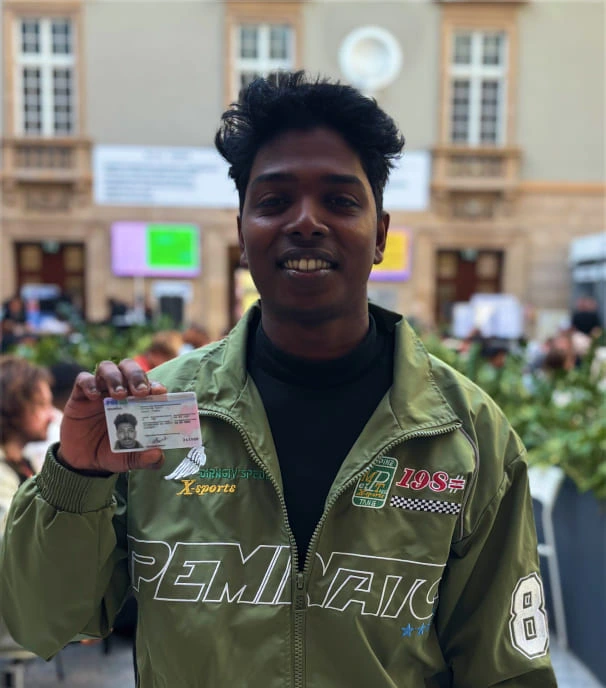
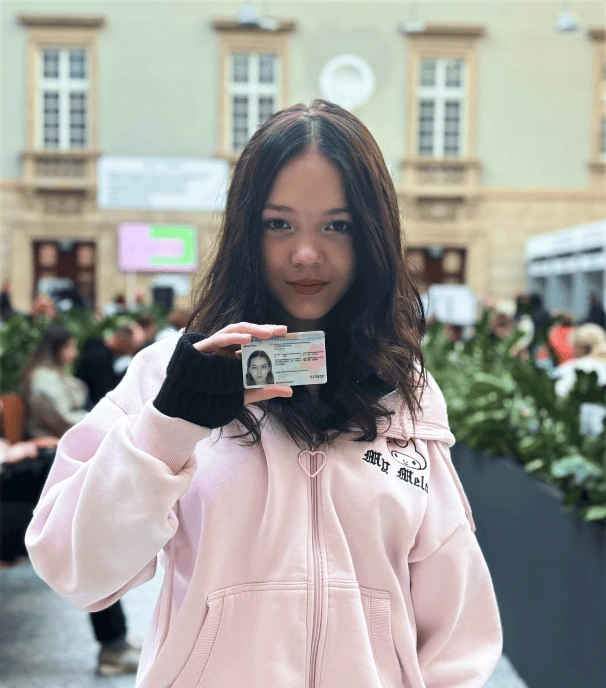
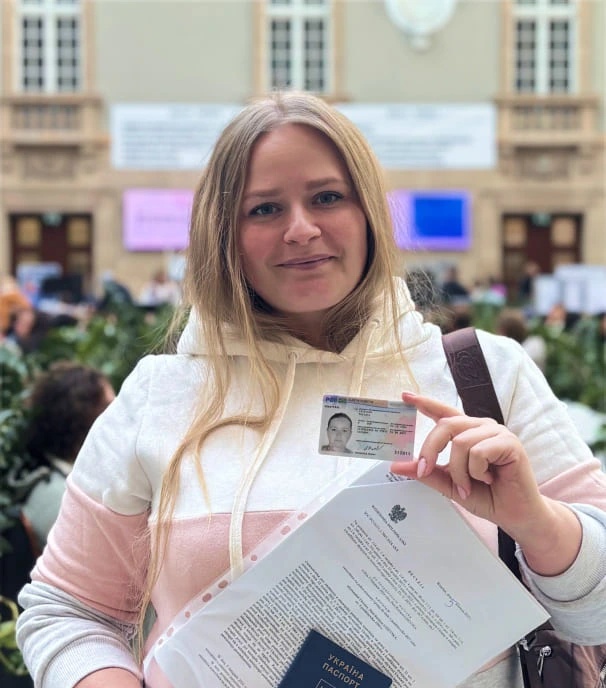
I sincerely thank the team for arranging work permits, especially Margo, for their professionalism, support, and assistance throughout the legalization process.
 Posted on Google
Very good experience and friendliness. I sincerely recommend this company. I received my biometric data easily and quickly. Thank you!!
 Більше наших відгуків ви можете переглянути в Google
Bonuses
for every invite!
We turned ordinary invitations into a real adventure. Your friend joins — you get a bonus. Simple, fast, and brilliant.
Go to the BotYou have received a 💰 Bonus of 100 zloty!
11:45💰 My Balance
11:43💸 Withdraw funds
11:45







Find our offices and contact us in the way that is most convenient for you — we are always in touch.


