
 UK
UK  EN
EN  RU
RU 
Temporary Residence

Card
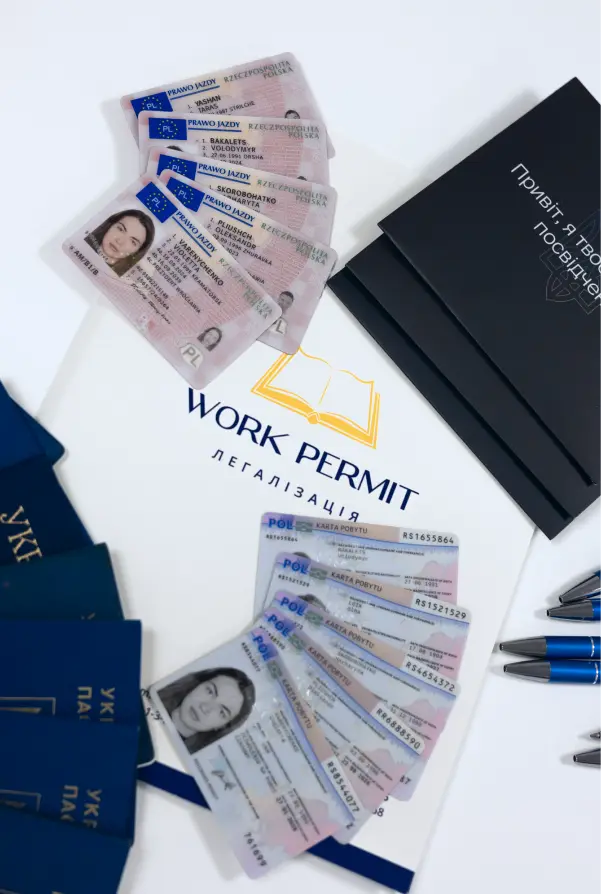
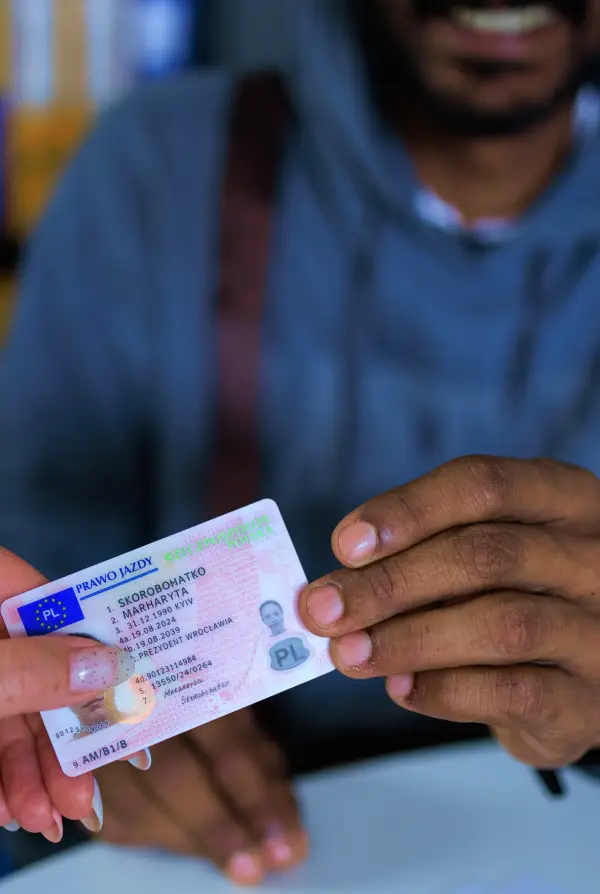
One of the most convenient ways to legally stay in Poland is to obtain a temporary residence permit (karta pobytu czasowego). This document allows you to live legally in the country for a specified period and freely enter and leave Poland without needing to apply for new visas.


Temporary Residence Card in Poland —
How the Process Works Step by Step

A Temporary Residence Card ensures legal stay in Poland and opens new opportunities:
- official employment without additional permits;
- free entry to and exit from Poland without new visas;
- opening bank accounts, renting accommodation, or obtaining insurance;
- the ability to apply for a Permanent Residence Card after several years of living in Poland.

A Temporary Residence Card is issued to foreigners who have legal grounds to stay in Poland beyond the validity of their visa. Main categories include:
- Education or continuation of studies. For university, technical school, and vocational school students — it allows living and working without needing an additional permit.
- Work in Poland. For foreigners officially employed under a work contract and receiving stable income.
- Own business or entrepreneurship. For business owners or co-founders of Polish companies. Also includes work requiring high qualifications (Blue Card) for specialists with higher education and relevant experience.
- Humanitarian stay. For individuals whose safety is at risk in their home country and who reside in Poland under humanitarian grounds.
- Family reunification. For family members of persons who legally reside in Poland.
The procedure for obtaining a Temporary Residence Card consists of several stages:
- Document preparation. All required proofs of your basis (contract, certificate, application) are collected.
- Submitting the application. You schedule an appointment at the Voivodeship Office and submit the documents in person.
- Case review. The authorities verify your grounds, information, and the authenticity of the documents.
- Receiving the decision. After a positive outcome, the residence card is issued and is valid from several months up to three years.
Obtaining a Temporary Residence Card is a process that requires accuracy, attention to detail, and meeting deadlines. Important to consider:
- Correct determination of the basis. This defines which documents are needed and the validity period of the card.
- Completeness of the package. Submitting a full set of documents reduces the risk of delays and repeated visits.
- Up-to-date translations. All foreign documents must be officially translated into Polish.
- Timely submission. Applying before your visa expires guarantees uninterrupted legal stay.
ABOUT US

years of experience in the field of migration services
offices in the city of Wrocław
positive reviews
qualified specialists on the team
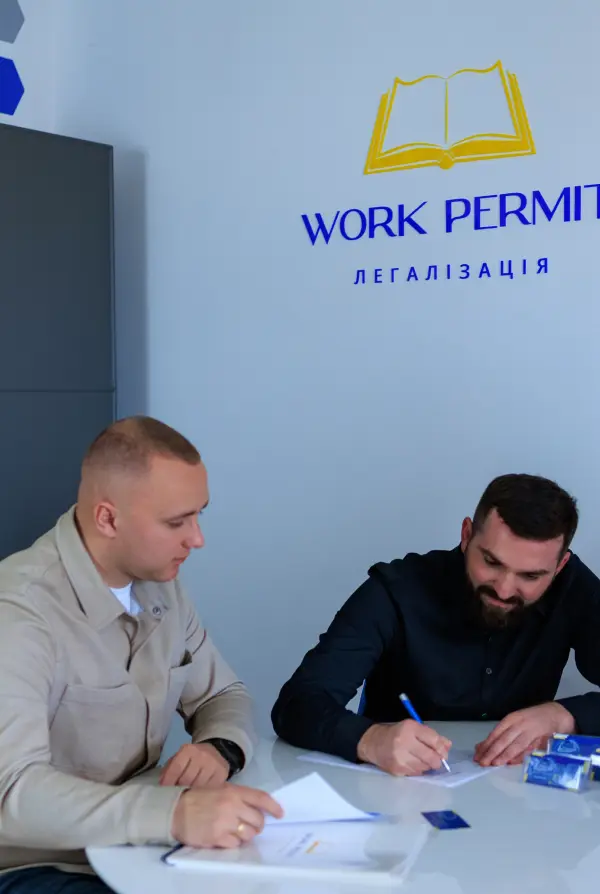
We create solutions that make life easier and bring satisfaction to every client.













Temporary Residence Card:
What Foreigners Should Know Before Applying
The Real Purpose of the Temporary Residence Card in Poland
A Temporary Residence Card is not just a document that allows you to stay longer in Poland. For many foreigners, it becomes the foundation of a stable life, an opportunity to build a career, open a business, reunite with family, or develop long-term plans. The holder gains legal security, access to both public and private Polish services, and the ability to live and work without being tied to short-term visa restrictions. This is why the Temporary Residence Card has become the most popular legalization method among Ukrainians and many other foreigners.
Key Advantages That Are Often Overlooked
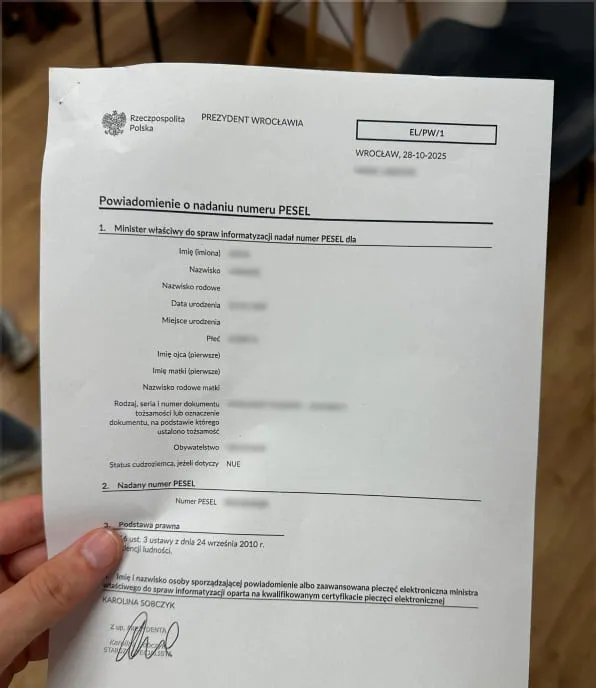
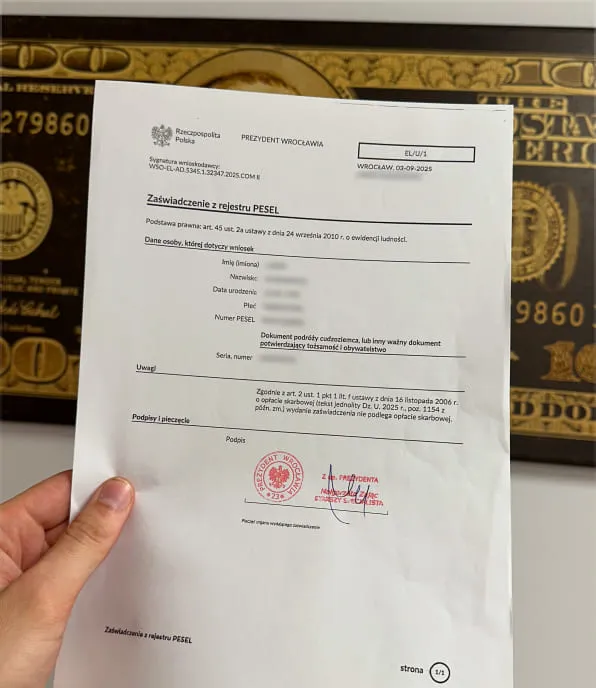
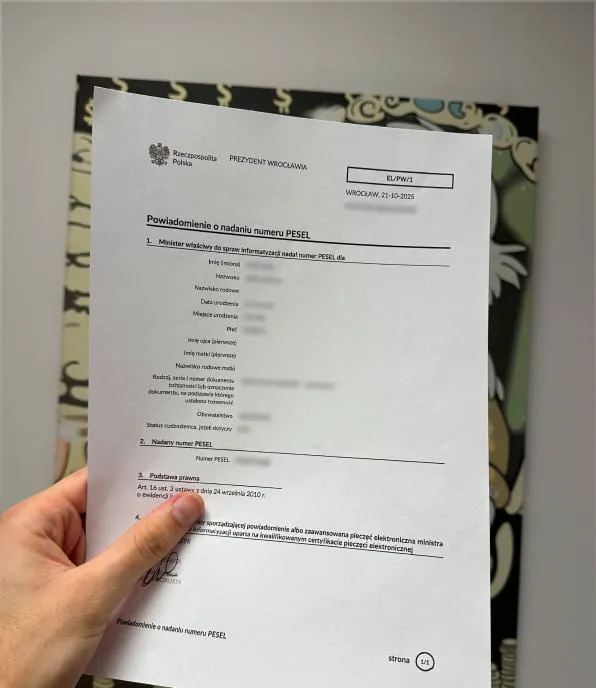
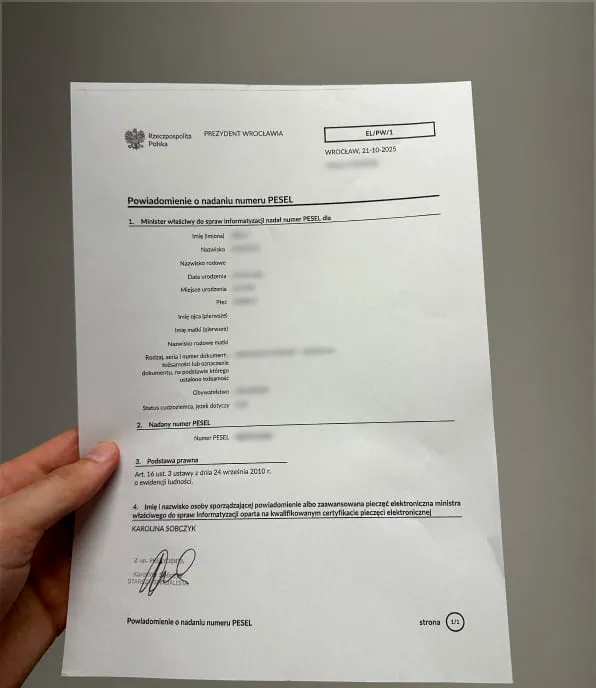
A Temporary Residence Card offers far more than simply the right to stay. It allows foreigners to sign long-term rental agreements, obtain a PESEL number and a trusted profile (Profil Zaufany), conclude employment contracts for longer periods, open bank accounts, apply for loans, and register their own business. For many people, TRC becomes the first step toward real stability — from access to proper healthcare to the ability to plan life several years ahead. It also grants full access to services that require identity verification, which tourist visas do not provide.
Common Mistakes That Delay or Complicate the Process
Although applying for a TRC may seem simple, inaccuracies and mistakes often cause significant delays. The most frequent issues include choosing the wrong legal basis for the application, submitting incomplete documentation, providing translations done by non-sworn translators, or presenting contracts that do not meet the requirements of the Voivodeship Office. Applications can also be delayed due to income inconsistencies, errors in the application form, or lack of proof of residence. Another widespread issue is ignoring letters from the office or responding too late, which automatically prolongs the entire process.
Life While Waiting for the Card: What Is Allowed and What Is Not
After submitting the application, the applicant receives a stamp in their passport confirming legal stay. However, many people do not know that this stamp does not always allow them to work — it depends on the basis on which they applied. The person may freely stay in Poland, travel within the country, rent housing, open bank accounts, and handle everyday matters. However, working or changing employers may require additional permits. This is why proper preparation for the waiting period is important to avoid legal or financial complications.
Common Myths About the Temporary Residence Card
Foreigners often have misconceptions such as believing that everyone receives a TRC automatically, that the stamp always grants work rights, or that submitting as many documents as possible increases their chances. In reality, success depends strictly on the chosen legal basis, correctly prepared documentation, and meeting the official requirements. Submitting excessive documents unrelated to the case can actually complicate the review. It is also important to understand that a TRC does not guarantee eligibility for permanent residency — additional conditions must be met. This makes proper preparation essential.
Who Benefits Most from Obtaining a Temporary Residence Card
A Temporary Residence Card is an optimal solution for professionals planning long-term work in Poland, business owners, students, families, and individuals who want to legalize their stay for several years. It is also a strong option for freelancers, IT specialists, entrepreneurs, experienced workers, and families planning a stable life in the EU. When obtained correctly, the TRC helps avoid visa-related risks and ensures uninterrupted legal residence in Poland.
FAQ about the Temporary Residence Card
A Temporary Residence Card (TRC) can be obtained by a foreigner who has a legal basis for staying in Poland. These grounds may include: employment, business activity, studies, marriage to a Polish citizen, family reunification, humanitarian reasons, volunteering, or having Polish origin. The key requirement is to demonstrate real living conditions in the country and a stable source of income.
The card is usually issued for 1 to 3 years, depending on the basis of the application.
For example:
- employment — 1–2 years,
- business activity — 1–3 years,
- studies — for the duration of the academic year,
- marriage — usually 2–3 years.
After this period expires, the card can be extended if the basis remains valid.
You need to prepare:
- a completed application form,
- recent photos,
- passport and copies of all pages,
- proof of the basis for residence (work contract, company documents, university certificate, etc.),
- proof of accommodation (rental agreement),
- health insurance,
- proof of financial means.
Each voivodeship may have additional requirements.
Yes, in most cases the stamp in your passport (złożenie wniosku) allows you to stay legally in Poland, but it does not always give you the right to work.
The right to work depends on the basis of your application:
- employment — yes,
- business activity — yes,
- studies — limited,
- marriage — no, a card or work permit is required,
- other grounds — depends on the situation.
It is important to consider your specific basis for applying.
On average, the process takes from 3 to 9 months, but in large cities (Warsaw, Wrocław, Kraków) it may take longer.
The processing time depends on:
- the workload of the office,
- completeness of the submitted documents,
- whether additional checks are required,
- response time to requests from the office.
To speed up the process, it is important to submit a complete set of documents and respond to the office’s letters without delays.

Sign up for a free consultation — we’ll help you!
from our clients

Verify the authenticity of our reputation on Google — or even better, leave your own review and become part of our story.
 Posted on Google
Excellent and fast service, as well as friendly people. Thank you very much, the work permit processing team.
 Posted on Google
A very cool and professional company in its field, with excellent staff who are always in touch regardless of the time of day! Highly recommend!

 Posted on Google
I sincerely thank the team for arranging work permits, especially Margo, for their professionalism, support, and assistance throughout the legalization process.
 Posted on Google
Very good experience and friendliness. I sincerely recommend this company. I received my biometric data easily and quickly. Thank you!!
 Більше наших відгуків ви можете переглянути в Google
Bonuses
for every invite!
We turned ordinary invitations into a real adventure. Your friend joins — you get a bonus. Simple, fast, and brilliant.
Go to the BotYou have received a 💰 Bonus of 100 zloty!
11:45💰 My Balance
11:43💸 Withdraw funds
11:45








Find our offices and contact us in the way that is most convenient for you — we are always in touch.


