 UK
UK  EN
EN  RU
RU 

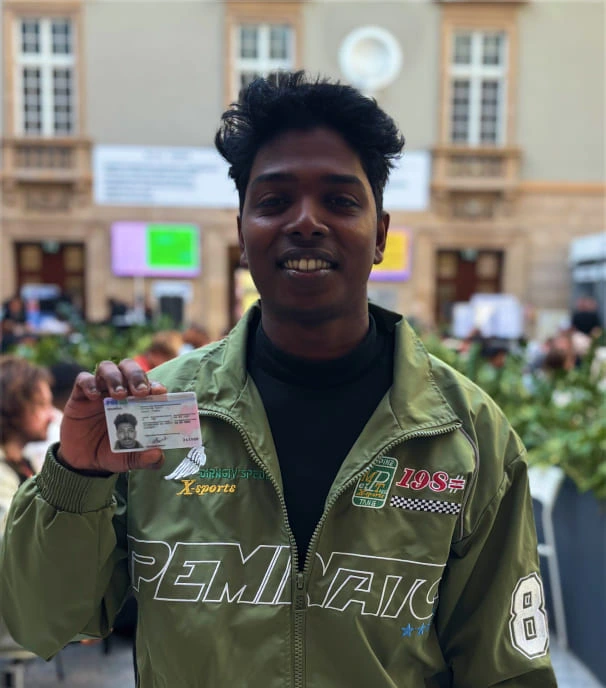
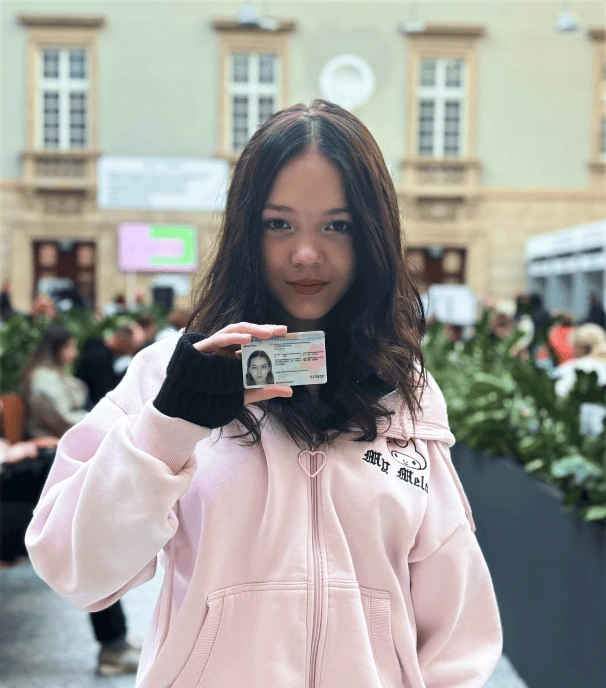
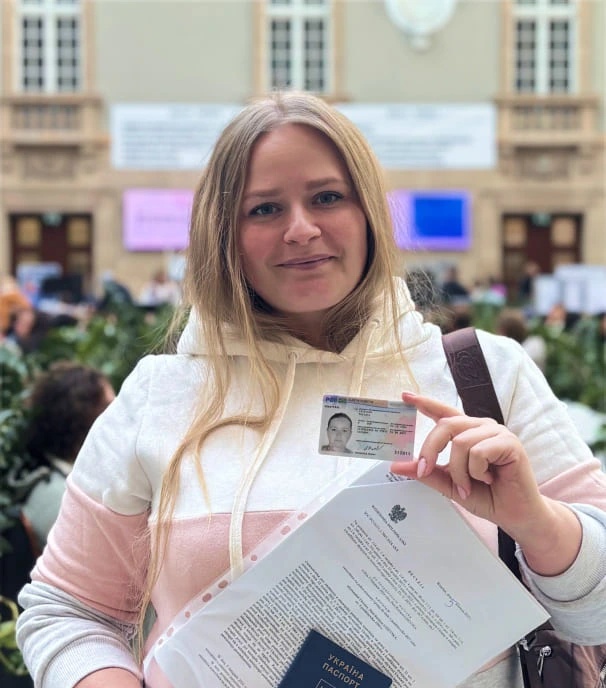
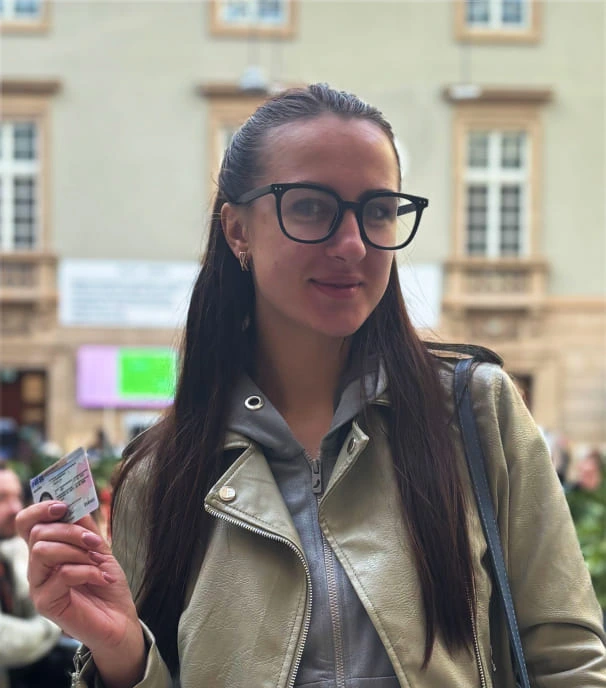
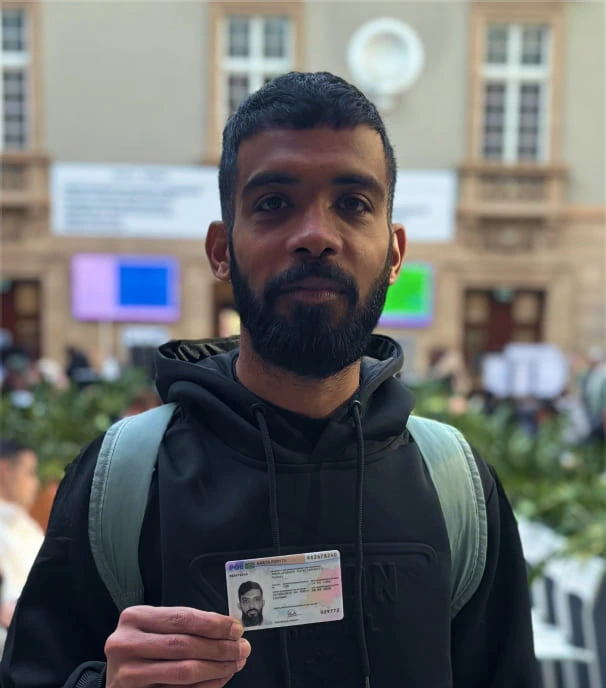
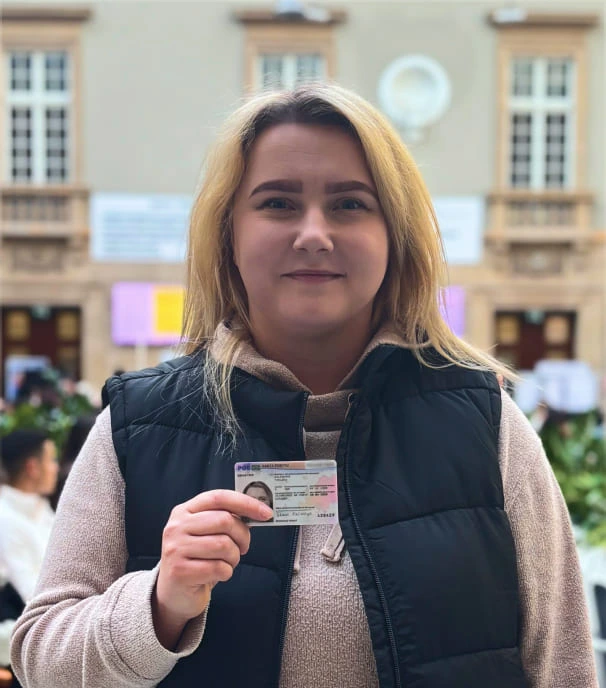
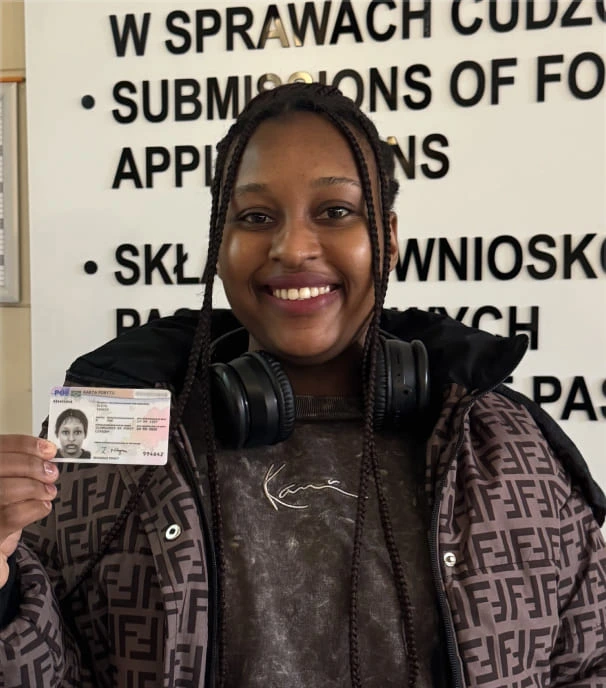
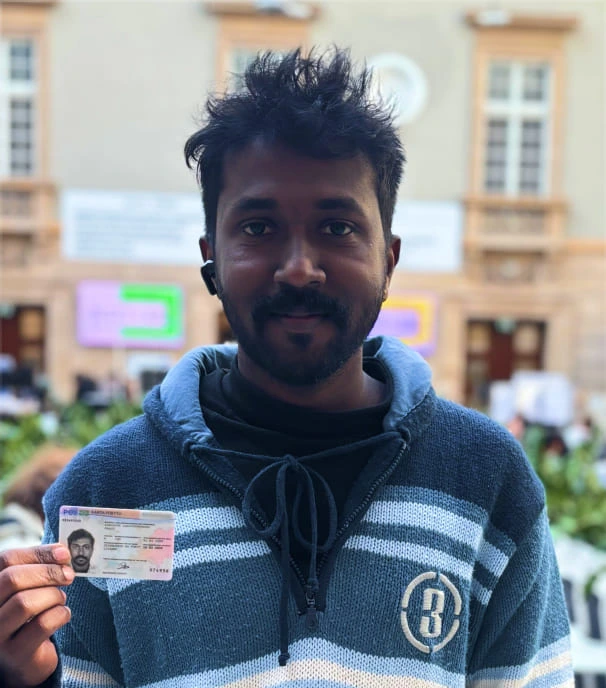
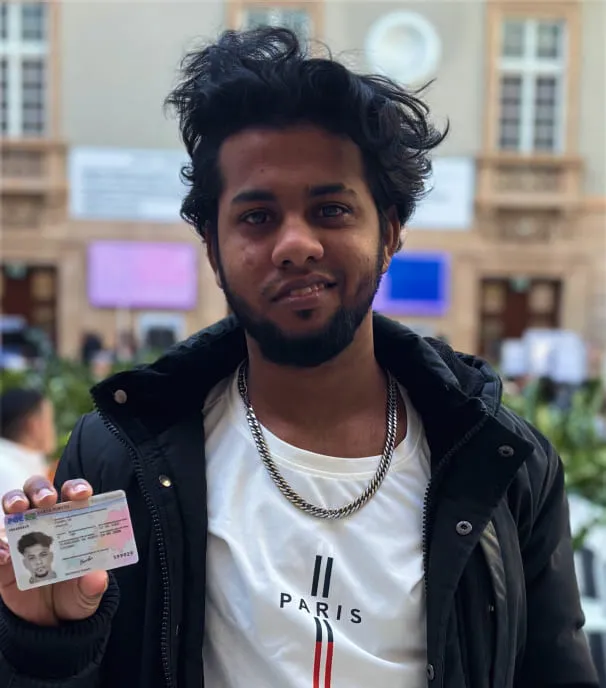
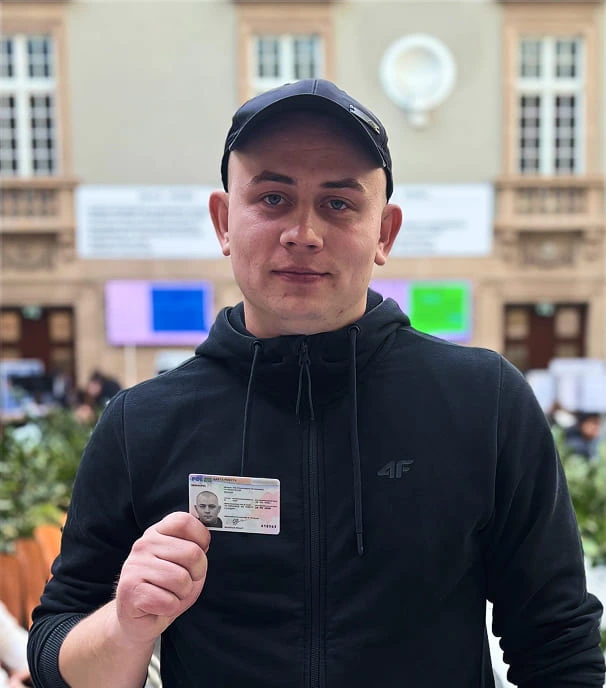
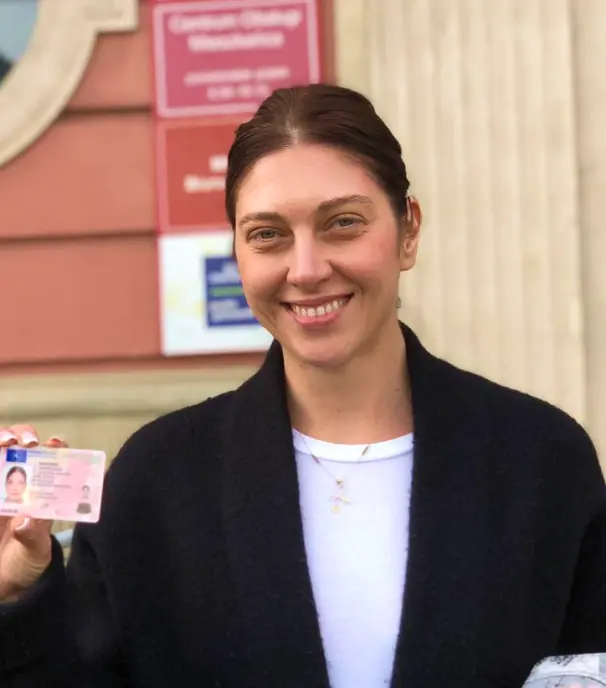
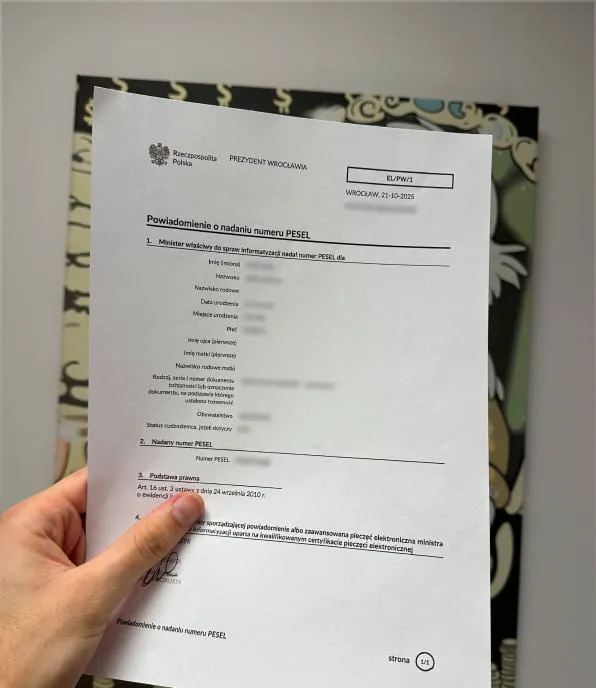
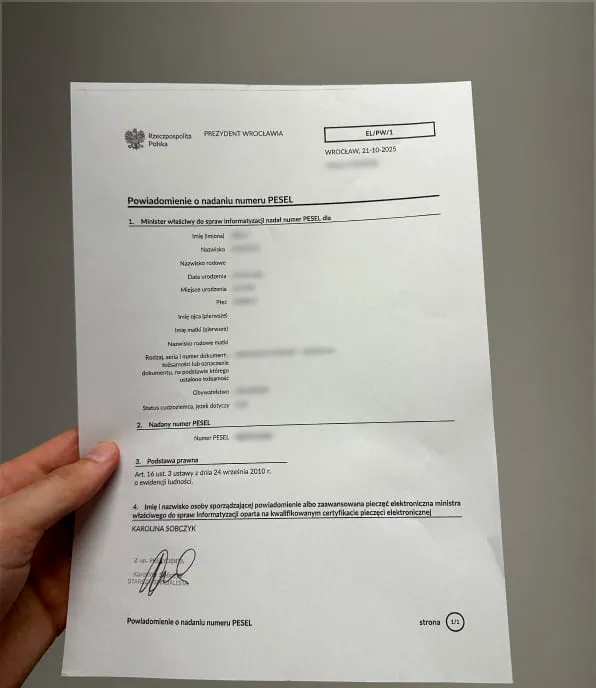
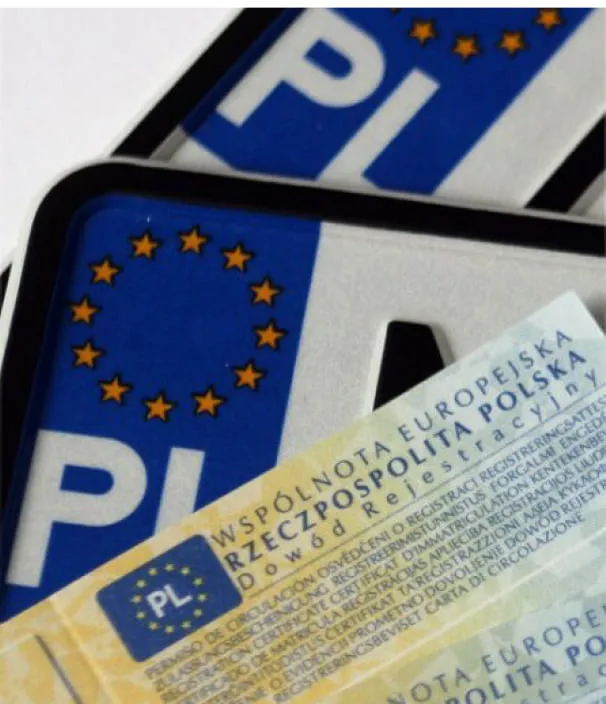
In 2026, a new, more “stable” legalization option will become available in Poland for some Ukrainian citizens — a special residence card often referred to as the CUKR card. It is intended for people staying in Poland under temporary protection and who have a PESEL number with UKR status.
The core idea is simple: instead of repeatedly extending temporary protection, the state offers the option to voluntarily switch to a 3-year temporary residence permit. This changes what you can do in practice — especially in terms of travel, work, life planning, and your next legalization steps.
But it’s important to understand two things. First, the CUKR card is not an “automatic upgrade” — it’s an option you apply for. Second, applications will be submitted only online via the government MOS system, and the launch date depends on when the relevant service goes live (the authorities officially warn that it definitely will not be 01.03.2026).
We’ll tell you what makes the most sense in your case

What the CUKR Residence Card Is and What PESEL CUKR Status Means
The CUKR residence card is a special temporary residence permit that will be issued for 3 years to Ukrainian citizens (and certain family members) who are covered by temporary protection and meet the legal requirements. In practice, it means moving from the “temporary protection regime” to a “classic residence card” framework — but with the filing process kept as simple as possible.
In public communication, you will often see the phrase “CUKR status.” Important: this is not a new document replacing PESEL. Rather, it is a technical status in official registers that will be linked to obtaining the card. Receiving the CUKR card changes the legal basis for your stay: your previous legal stay under temporary protection is converted into a 3-year temporary residence permit.
So, in this material we will discuss two closely connected concepts: the CUKR card (as a document) and PESEL/the register status (as a “technical marker” in the system). For you as an applicant, the key is whether you meet the conditions, whether your PESEL data is ready, and whether you can complete the online submission correctly.
Who Can Get the CUKR Card: Key Eligibility Requirements
According to official information from government authorities, the CUKR card will be available only if you meet all requirements at the same time. These include: you are a Ukrainian citizen (or a family member of a Ukrainian citizen, such as a spouse), your stay is considered legal due to temporary protection, you had UKR status as of 4 June 2025, you have UKR status on the day you apply, and you have had continuous UKR status for at least 365 days.
We should also note: online you may still come across older dates or earlier draft versions of the criteria. We rely on the current official explanations from the competent authority, so this article uses the conditions stated in the latest communication (4 June 2025 + 365 days of uninterrupted UKR).
In practice, the most common “deal breakers” are a break in UKR status (even a short one) or incomplete PESEL UKR data — in which case the system simply won’t accept your application. That’s why, before filing, it’s important to verify the continuity of your status and the readiness of your personal data.
CUKR for Children: Who Can Apply and What Nuances Matter
A minor child who arrived from Ukraine will be able to obtain a CUKR card under the same basic rules as adults: the child must meet the UKR status and continuity requirements. The application on behalf of the child is submitted by a parent or legal guardian.
There is also a separate scenario for children born in Poland. Here, the legal logic is different: a child can receive CUKR if the mother legally arrived from Ukraine after 24.02.2022 due to the war, the child has legal stay under temporary protection and UKR status on the day of filing, and the mother holds a CUKR card.
The requirement “the mother holds a CUKR card” often raises practical questions: in family cases, it’s important to plan the order of applications correctly so you don’t block your path for technical reasons. If your family situation is atypical (divorce, guardianship, document changes, a child born in Poland), it’s better to work out a strategy before MOS filing begins.
When CUKR Applications Will Open and Why Everyone Is Talking About MOS
Applications for the CUKR card will be submitted exclusively in electronic form via the government MOS portal (Moduł Obsługi Spraw). In-person filing is not предусмотрено. This means that the correctness of each online step, the signature, and the uploaded attachments becomes critical.
What matters: the authorities explicitly state that they will announce the system/service launch date in advance and emphasize that it definitely will not be 01.03.2026. Therefore, any “exact filing dates” circulating on social media should be treated with caution until there is an official announcement.
The MOS portal also has practical advantages: no need to book an appointment or stand in line, you can save a draft and return to it later. But there’s a downside — any mistake in the data, files, or signature can result in rejection, and then you lose time reapplying.
Who Won’t Be Able to Apply: Common Reasons Applications are Rejected
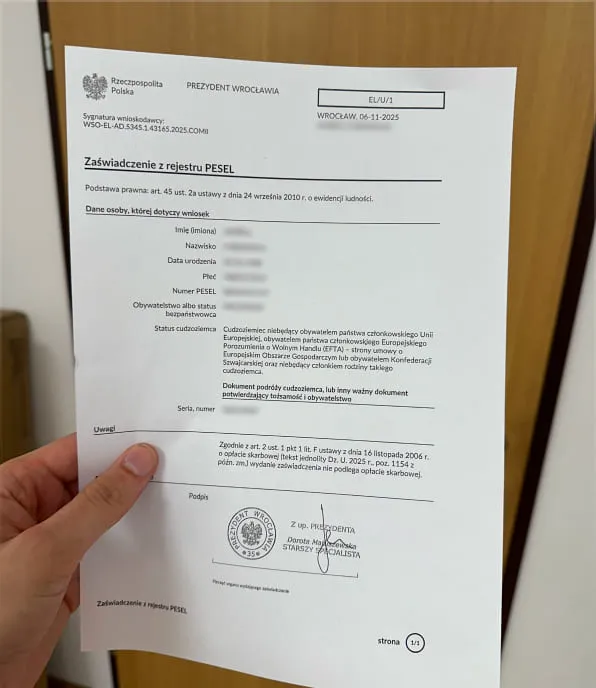
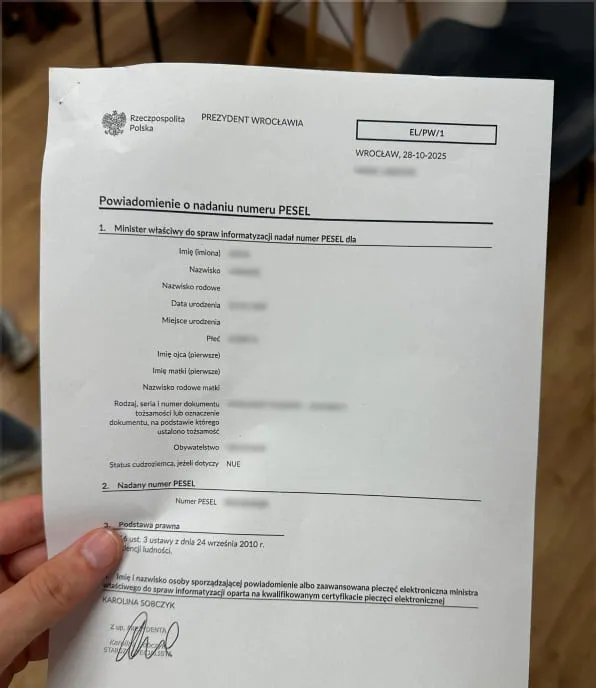
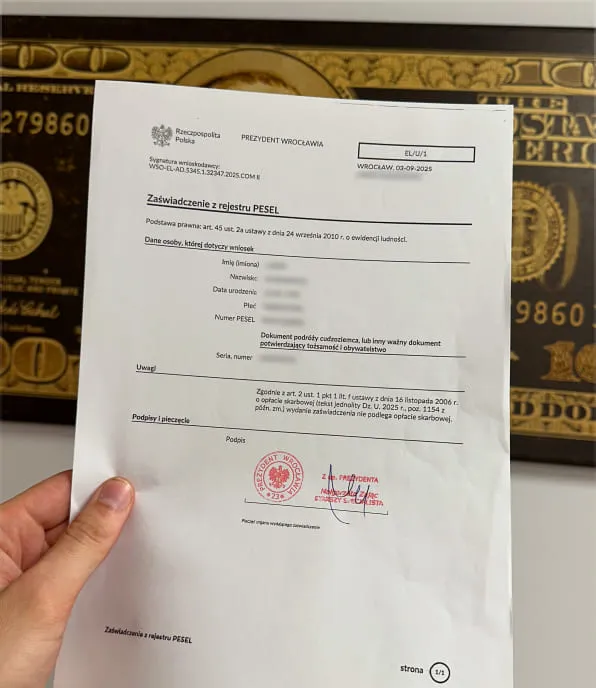
The MOS system may automatically reject an application if your data in the PESEL UKR register is incomplete. Officially, the following must be filled in, among other things: first/last name, date of birth, sex, citizenship, the series/number and validity of your current travel document, fingerprints (or information that they cannot be taken), and a signature specimen for persons aged 12+ who can sign.
There are also “security-related” grounds on which a permit will not be granted: for example, if a person is listed as undesirable, if there are flags in systems related to entry/stay bans, or if the decision is driven by considerations of state security and public order.
Finally, a simple but critical reason: unpaid fees. If you do not attach proof of payment, the case will not move forward. For CUKR this is especially important because the process is fully digital, and you won’t be able to “bring paper documents later.”
How to Apply in MOS: a Step-By-Step Flow Without Technical Pitfalls
The MOS filing process comes down to a few key steps. First, create an account in the new MOS (even if you had an account in the previous version, you may need a new one). Next, log in via login.gov.pl and complete the form.
Second, sign the application. Officially, you need Profil Zaufany, a qualified electronic signature, or a “personal signature.” Without a valid signature, the application will not be submitted correctly from a legal standpoint.
Third, attach the required documents: a current digital photo and proof of payments (scan/electronic transfer confirmation). After submission, you can save the file and receive the official confirmation of submission (UPO).
- Processing fee: 340 zł (stamp duty)
- Card issuance fee: 100 zł (for adults)
In a standard scenario, if everything is completed correctly and the attachments are provided, the voivodeship office will call you in mainly to collect the ready card.
What Rights the CUKR Card Provides: Work, Business, and Schengen Travel
After you receive the CUKR card, you gain access to the rights available to foreigners holding a temporary residence permit. The three most important practical benefits are: work without a permit, the ability to run a business on the same terms as Polish citizens, and a clearer travel regime.
It is also officially stated that the CUKR card, together with a valid travel document, will allow travel within the Schengen area for up to 90 days in any 180-day period.
Another strategic point: if in the future you plan to apply for EU long-term resident status, the period of stay under CUKR will count toward the required residence period (provided other requirements are met).
We’ll weigh the benefits and risks for your situation

Consequences and Obligations After Getting CUKR: What Could Be a Downside
Any residence permit comes with not only rights but also rules. After switching to CUKR, you may have additional administrative obligations that didn’t feel as significant under temporary protection. That’s why it’s worth approaching the decision “I’m applying for CUKR” pragmatically.
In particular, it is officially stated that once you receive the card, your previous legal stay is “converted” into a 3-year temporary residence permit. This is good for stability, but it also means a different logic of control and communication with the voivode.
In practice, the most sensitive points are changes of address, keeping your contact details accurate, and complying with the general rules for foreigners’ stay. If you move often, change your phone number, or have a non-standard document situation, it’s worth thinking in advance about how you will keep your data up to date.
Summary: Who CUKR Fits Best and How to Prepare
The CUKR residence card is a logical step for those who have been in Poland under temporary protection for a long time, have a stable UKR status without breaks, and want a 3-year document for calmer planning of life, work, and travel.
CUKR is best suited for those who:
- have had uninterrupted UKR for at least 365 days and meet the date requirement;
- plan to stay in Poland longer and want a “clear, predictable document”;
- work/plan to run a business and want a stable legal status for 3 years;
- are also thinking about the next steps of legalization in the EU.
To ensure a smooth filing process, it’s worth preparing: check your PESEL UKR (data completeness and your current passport details), make sure you have access to Profil Zaufany in advance, prepare a digital photo and proof of payment, and clearly understand whether CUKR makes strategic sense for you. If you need help, Work Permit can handle it “turnkey” — from eligibility assessment and MOS filing preparation to supporting your communication with the office.
We’ll prepare you for CUKR and MOS filing