 UK
UK  EN
EN  RU
RU 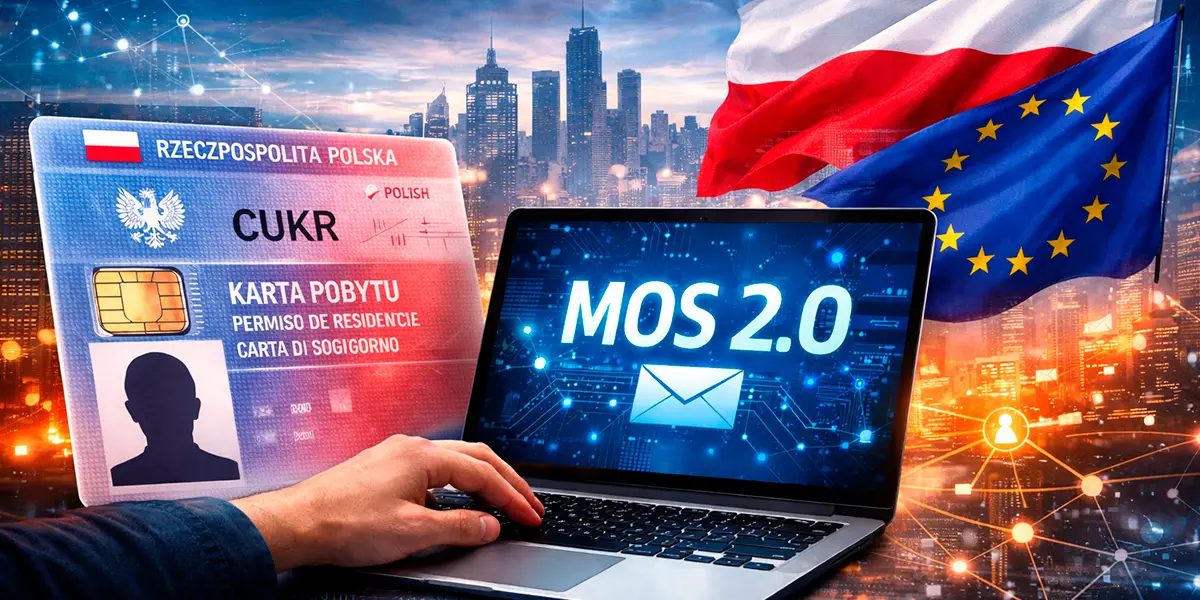

The year 2026 will be a turning point for Poland’s migration system. The country is moving toward full digitalization of legalization procedures while at the same time increasing the financial and formal requirements for foreigners and employers. These changes will affect residence cards, work permits, temporary protection for Ukrainians, as well as the way documents are submitted through new electronic systems.
We Will Help You Choose The Right Strategy Before You Submit Your Documents

The main changes include:
- the launch of the MOS v2.0 online system;
- mandatory use of e-Doręczenia;
- an increase in the minimum wage;
- higher government fees for work permits;
- the introduction of the special CUKR residence card for Ukrainian citizens with UKR status;
- stricter rules for certain third-country nationals.
This article is a practical guide that will help you understand:
- how to act in 2026,
- when and what to submit,
- what mistakes to avoid,
- and which legalization path is the most beneficial specifically for you.
Work Permit specialists handle foreigners’ cases in different voivodeships across Poland every day, and this article reflects real office practice, not just dry legal provisions.
The Overall Situation For Foreigners In Poland In 2026
Poland is maintaining its course toward the integration of foreigners, but it is doing so through control and automation. The state is interested in:
- qualified workers,
- entrepreneurs,
- family migration,
- long-term legalization.
At the same time, conditions are becoming significantly more difficult for:
- seasonal workers,
- people without a stable source of income,
- migration from high-risk countries.
According to UDSC statistics, more than 500,000 residence cards were issued in 2025, and an even higher number of applications is expected in 2026. Online submission will partially reduce queues, but the overload at government offices will remain, especially in major cities.
That is why preparation and a well-thought-out filing strategy are becoming critically important.
Key Changes To Residence Cards In 2026
1. Minimum Wage
As of January 1, 2026, the minimum wage in Poland is:
- PLN 4,806 gross (approximately PLN 3,606 net)
This means:
- if the salary in the contract is lower, the application may be rejected;
- the employer is required to issue an annex to the contract;
- this requirement applies to all employment-based residence card applications.
Important: government offices check not only the amount stated in the contract, but also the actual payment of ZUS contributions.
2. MOS v2.0 System — Fully Online Submission
MOS v2.0 is a new government system that allows you to:
- submit an application online,
- sign documents with an electronic signature,
- receive decisions without paper correspondence.
For people who have already provided biometrics in the past, a personal visit may not be required (except in certain cases).
This is especially relevant for:
- Ukrainian citizens with UKR status,
- children,
- pensioners,
- people with limited mobility.
MOS v2.0 is not just a technical update, but a change in the very logic of legalization in Poland.

e-Doręczenia — A New Mandatory Communication Format
Starting in 2026, all official correspondence from government offices will be sent exclusively to the e-Doręczenia electronic mailbox, which has full legal force.
Through e-Doręczenia, you will receive:
- summonses,
- requests to supplement documents,
- decisions in your case,
- information about deadlines.
If you do not open a message, it is still considered delivered.
What You Need For e-Doręczenia:
- Profil Zaufany;
- identity verification (through a bank or a government office);
- active access to the electronic mailbox.
Work Permit specialists recommend obtaining Profil Zaufany in advance, even before submitting your application.
Changes From December 1, 2025: New Document Forms
As of December 1, 2025, the following are in effect:
- new wniosek forms,
- an updated załącznik nr 1 from the employer.
The new requirements include:
- more information about qualifications,
- mandatory translations,
- electronic copies of documents.
Submitting old forms = a request for korekta wniosku and longer processing times.
What A Foreigner Should Do At The Beginning Of 2026
Do not wait for MOS v2.0 to launch if your period of stay is limited.
Submit your application before the last day of your legal stay.
Clearly define your legalization goal:
- temporary stay,
- residence card,
- EU long-term resident status,
- citizenship.
Keep in mind: in some voivodeships, waiting times for a decision reach 2–3 years.
Changes In The Employment Of Foreigners
As of December 1, 2025, government fees have increased significantly:
- up to 3 months — PLN 200
- more than 3 months — PLN 400
- posting of workers — PLN 800
- seasonal work — PLN 100
All applications must be submitted online via praca.gov.pl, and documents in a foreign language require a sworn translation.
Particularly significant changes have affected Georgian citizens — now, instead of the fast-track oświadczenie, a full zezwolenie na pracę typu A is required.
Temporary Protection For Ukrainians
Temporary protection has been extended until March 4, 2027, as a transitional period.
Important:
- not everyone can switch to a residence card;
- not every case allows a status change without losing benefits;
- the decision should be made only after analyzing the specific situation.
CUKR Residence Card For Ukrainians
The expected launch is no earlier than March 4, 2026.
Main Requirements:
- Ukrainian citizenship;
- UKR status on June 4, 2025, and on the day of application;
- 365 days of continuous status;
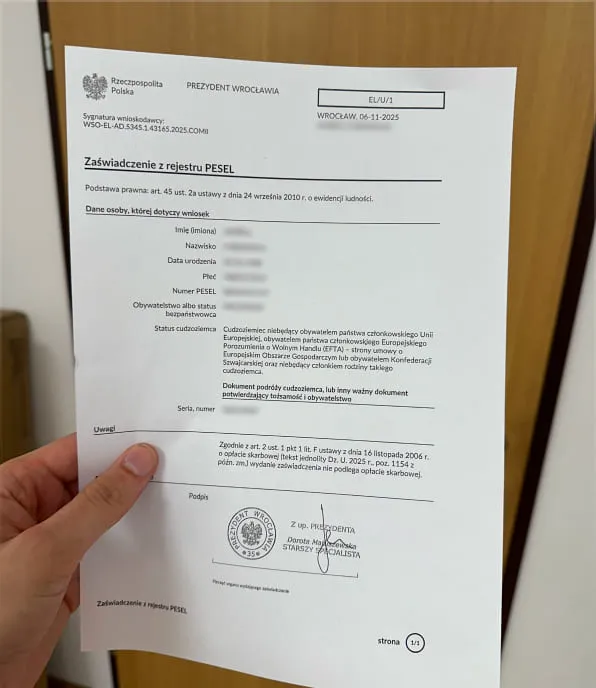
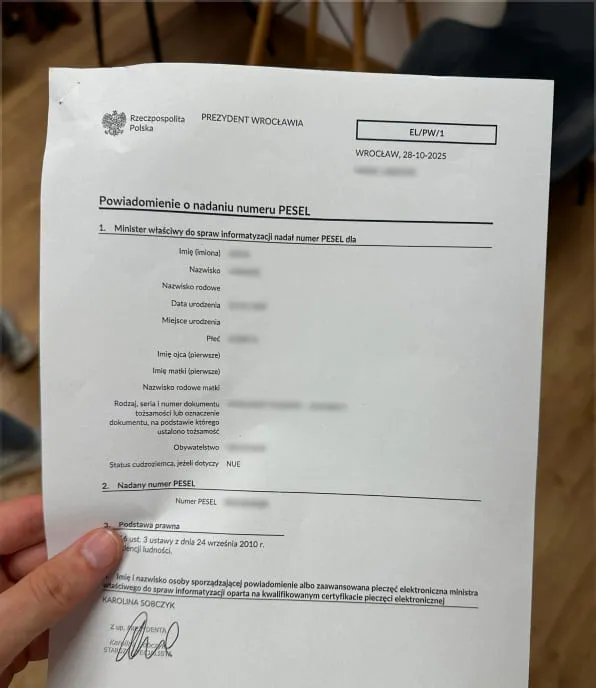
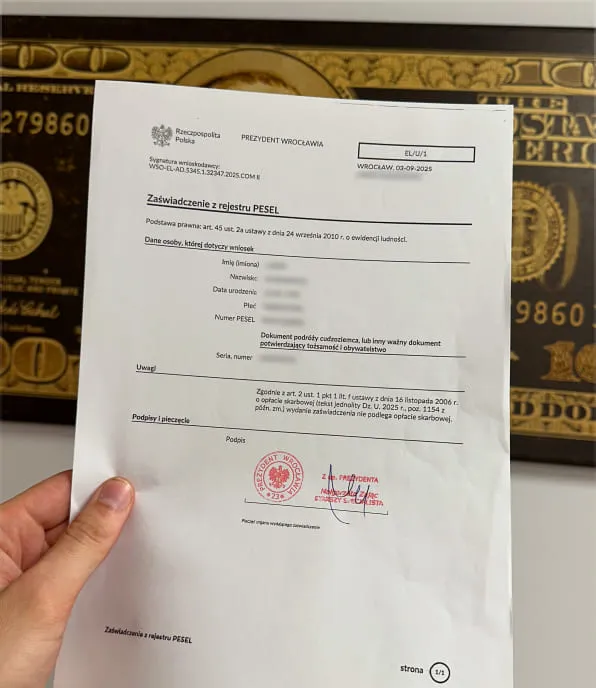
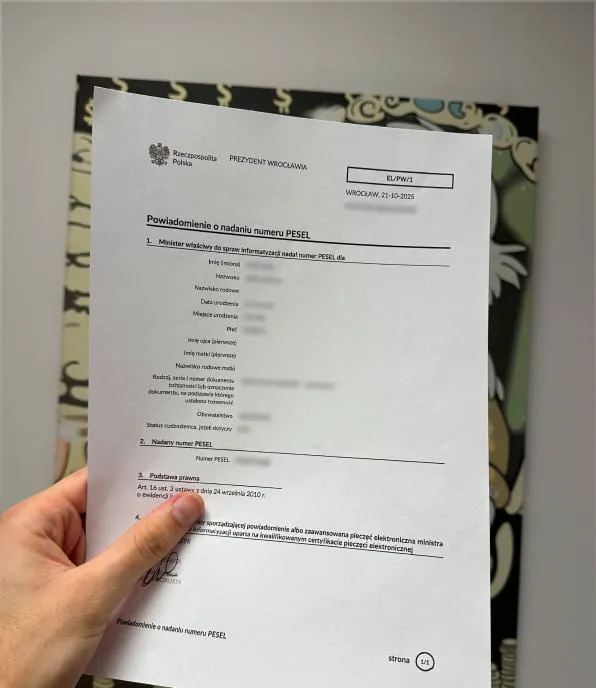
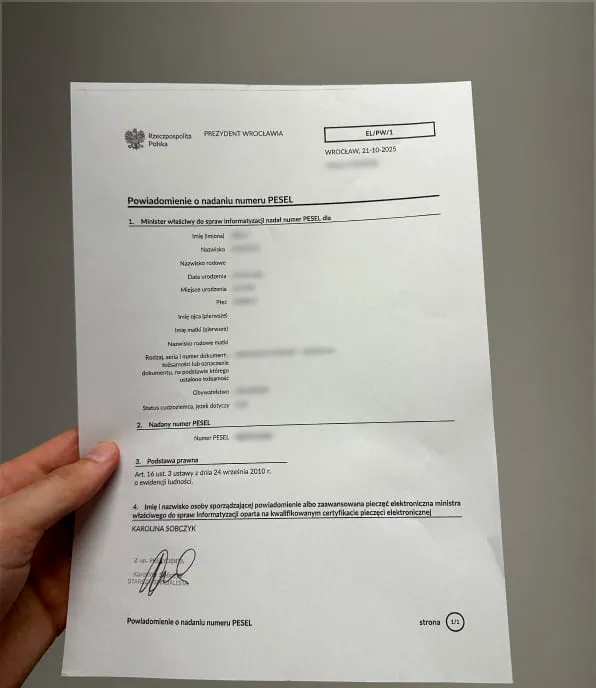
- complete data in PESEL.
Advantages:
- a 3-year residence card;
- full access to the labor market;
- counted toward the period required for EU long-term resident status;
- travel within the Schengen Area for up to 90 days.
Disadvantages:
- UKR status is cancelled;
- an obligation to report a change of address;
- risk of losing the status if you leave for more than 6 months.
Pensioners, Children, And Students With UKR Status
Before the launch of MOS v2.0:
- they remain under temporary protection;
- applications for a residence card are limited.
From 2026:
- applications will be submitted exclusively online;
- one visit will be required only for biometrics.
Unemployed Ukrainians With UKR Status
The status is legal, but for:
- residency,
- citizenship,
- long-term plans
it is necessary to change the basis of legalization (work, business, family).
A rushed change of status may lead to the loss of social guarantees.
Ukrainian Seafarers In 2026
For seafarers, there is an exception regarding work-related travel departures as long as UKR status remains active.
Recommended options:
- waiting for CUKR;
- opening a JDG;
- family reunification;
- an employment-based residence card.
Work Permit has practical experience in assisting seafarers and helps choose the optimal path.
The Situation In Government Offices In 2026
Due to inconsistencies between systems:
- electronic platforms do not always contain up-to-date forms;
- delays and technical errors are possible.
At the moment, the most stable situation is in Wrocław and its delegations.
Recommended submission methods:
- Poczta Polska or MOS followed by an in-person visit.
Conclusion
The year 2026 means:
- more digitalization,
- less tolerance for mistakes,
- a higher cost of mistakes.
The right legalization strategy saves years of time and thousands of zlotys.
If you want to avoid risks, delays, and refusals, contact the Work Permit team through the contacts on the website or the consultation booking form.
We Will Help You Choose The Right Path And Avoid Costly Mistakes