 UK
UK  EN
EN  RU
RU 

For many citizens of Belarus, the D21 humanitarian visa became the first safe step after moving to Poland. But the visa itself does not solve the issue of long-term status. Sooner or later, a practical question arises: what comes next, on what basis can you stay in the country, how can you work legally, and how can you avoid losing time because of an incorrect application.
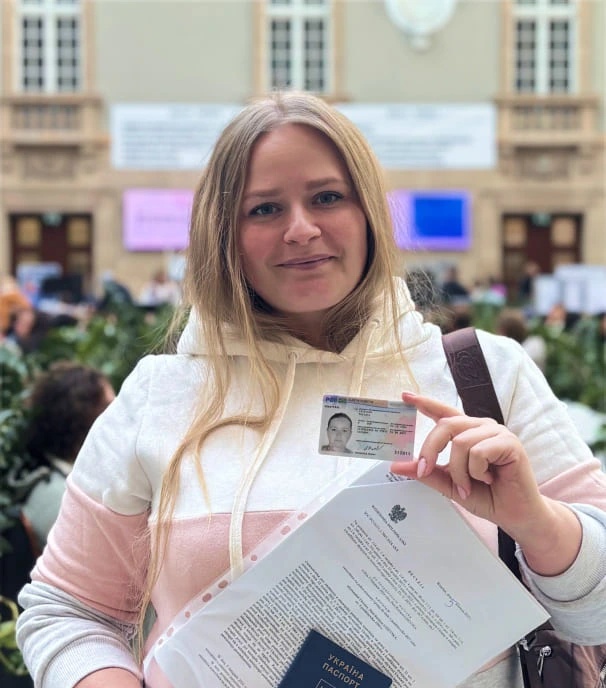
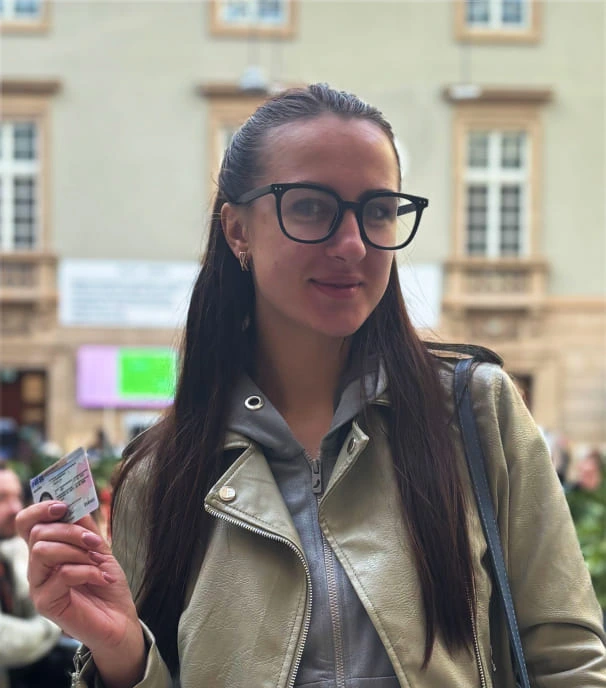
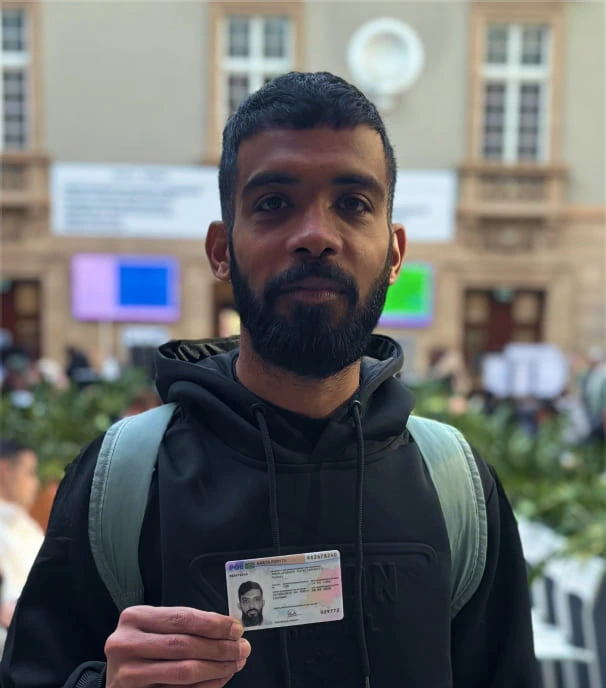
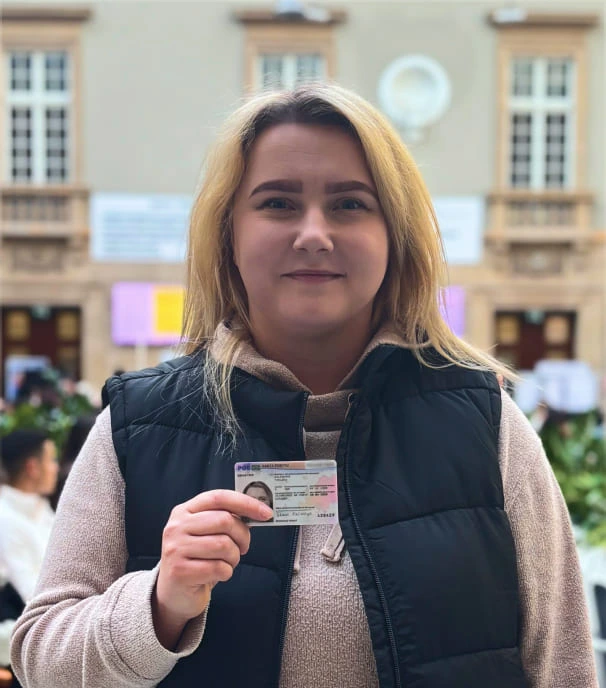
This is exactly where the humanitarian temporary residence card for Belarusians comes in — a special mechanism of temporary residence in Poland that is connected with staying in the country on the basis of a D21 national visa.
We Will Tell You Whether a Humanitarian Temporary Residence Card Is Right for You

This page is not a dry retelling of legal provisions. We have put together the practical logic of the application process: who the humanitarian residence status truly suits, how it differs from other grounds, what documents to prepare, what should be avoided, and when it is better to choose another legalization path.
What Is a Humanitarian Temporary Residence Card for Belarusians
This term usually refers to a temporary residence permit granted due to other circumstances, which is issued to citizens of Belarus if, immediately before submitting the application, they were staying in Poland on the basis of a national visa issued for humanitarian reasons, in the interest of the state, or due to international obligations — in other words, a visa marked D21. This is exactly how this ground is described on government websites and in the official MOS system for foreigners.
Unlike a standard temporary residence card based on employment, studies, or business, the key factor here is not where exactly you work or how much you earn. What matters is your current status and whether you meet the conditions of this special humanitarian procedure.
Why This Option Is Often Considered Separately
- it is a separate legal ground, not a “type of work-based residence card”;
- it is specifically available to citizens of Belarus in combination with a D21 visa;
- the permit is issued once for 3 years;
- the holder of this residence permit has access to the labor market without a separate work permit;
- this procedure is exempt from the standard stamp duty, and official explanations also indicate an exemption from paying for the physical residence card itself in this category.
Who the Humanitarian Residence Permit Is Suitable For
The most important thing to understand right away is that this path is not universal for all foreigners. This simplified mechanism works specifically for citizens of Belarus who are staying in Poland on the basis of a D21 visa. It is not a general humanitarian procedure for any applicant.
Basic Conditions to Check Before Applying
- You are a citizen of Belarus.
- You are staying in Poland legally.
- Immediately before applying, you held a D21 visa.
- There are no circumstances in your case that could raise concerns related to security or public order.
- You are ready to submit your application to the voivode responsible for your place of residence in Poland.
When It Is Worth Considering Another Ground
Not in every case is a humanitarian residence card the best solution. Sometimes it is more beneficial to apply on the basis of employment, studies, business, or another legal ground. This is especially relevant if you want to build a long-term immigration strategy with the most predictable rules possible, or if your case already has another strong alternative basis.
That is why the right approach looks like this: do not look for the “most popular” residence card, but choose the one that best fits your exact situation.
Advantages of a Humanitarian Temporary Residence Card for Belarusians
It is precisely because of these advantages that this ground remains one of the most important options for Belarusians in Poland.
What You Receive After a Positive Decision
- Status Granted for 3 Years Right Away. Official voivodeship office websites state that this permit is granted once for three years.
- The Right to Work Without an Additional Permit. The holder of this residence permit is exempt from the obligation to obtain a separate work permit.
- Lower Financial Burden at the Start. Government explanations for this category confirm exemption from stamp duty and from the fee for the residence card itself.
- A More Stable Planning Horizon. You no longer live under the limitations of a short-term visa and can more calmly deal with work, rental agreements, banking matters, and further legalization steps.
How Humanitarian Residence Differs From Other Residence Cards
- The logic of this ground is different: it is based not on an employer or a university, but on your humanitarian status through D21.
- You do not need to prove your case in the same way as is often required in employment- or business-based applications.
- This solution often provides a greater sense of security for those who do not want to depend on one job or one contract.

Documents for a Humanitarian Temporary Residence Card: What to Prepare
Each voivodeship may have its own organizational nuances, but the basic package in such cases is fairly similar.
Main Documents
- an application for temporary residence under the relevant category;
- up-to-date photographs;
- a copy of your passport, with the original presented for inspection;
- documents confirming the legal ground, including your stay on the basis of D21;
- if necessary, additional explanations or documents requested by the inspector.
What Else It Is Advisable to Have Ready
- a document confirming your residential address;
- confirmation of your current legal status in Poland;
- contact details that you actually use for official correspondence;
- a folder with copies of all key documents in case the case needs to be supplemented.
How the Application Process Works: From Filing to Receiving the Card
The Polish procedure may vary in details depending on the voivodeship, but the overall logic of the process is usually the same.
1. Verifying the Legal Ground
Before applying, you need to make sure that this specific procedure is right for you. If you make a mistake at this stage, you may lose time later, and in some cases even put your entire legal status at risk.
2. Preparing the Application and Document Package
At this stage, it is important not just to “collect papers,” but to turn them into a coherent set. The application form, dates, document numbers, history of stay, and address — everything must match consistently.
3. Filing With the Voivodeship Office
The application is submitted to the voivode responsible for your place of residence in Poland. In different regions, the intake process is organized differently: in some places the focus is on electronic registration, while in others it is on appointments through specific systems or filing through the office registry. Government materials confirm that the application must be submitted to the competent voivode.
4. Fingerprints and the Passport Stamp
Personal appearance and fingerprint submission are an important part of the temporary residence procedure. After the application is officially accepted for processing, a stamp may be placed in your passport confirming that your case is under review. However, this stamp does not grant the right to travel within the Schengen Area and does not replace a visa for re-entry. This is explained in official materials published by voivodeship resources.
5. Waiting for and Receiving the Decision
After that, the review process begins. The office may send letters, request additional documents, or ask clarifying questions. That is why you should never ignore correspondence, SMS messages, or phone calls while waiting.
When It Is Better to Apply
The formal rule for temporary residence is that the application must be submitted no later than on the last day of legal stay. This is directly stated in government explanations regarding temporary residence procedures.
But from a practical point of view, it is better not to play with deadlines. The earlier you begin preparing, the more chances you have to calmly correct mistakes, supplement your file, and choose the right strategy if it turns out in the process that humanitarian residence is not the only option.
Can You Travel to Belarus With a Humanitarian Temporary Residence Card
This is one of the most sensitive questions, and it is very important not to rely on rumors here. At the official government level, explanations were previously given stating that traveling to Belarus in itself is not an automatic ground for canceling such a residence permit. At the same time, the practical assessment of any particular case may always depend on the specific circumstances, so it would be unwise to treat such travel as a “completely safe formality.”
That is why, in real practice, it is better to think not in terms of “whether it is theoretically allowed or not,” but in terms of whether such a trip could create unnecessary risks for your status, future applications, and your overall immigration strategy.
Polish Travel Document for Belarusians
Another important advantage of humanitarian residence for Belarusians is that, starting from January 1, 2023, holders of such a permit may apply for a Polish travel document for a foreigner.
Who This Is Especially Important For
- those whose passport has expired;
- those who cannot safely return to Belarus to obtain a new document;
- those who have no real opportunity to resolve passport issues through consular procedures.
The Most Common Mistakes Applicants Make
Most problems in such cases arise not because of the law, but because of organizational and strategic mistakes.
What Most Often Goes Wrong
- submitting an application without first checking whether this ground is actually suitable;
- delaying everything until the final days of legal stay;
- an incomplete set of documents;
- ignoring letters and summons from the office;
- trying to copy someone else’s case without taking your own situation into account;
- the absence of an overall strategy for what comes after receiving the card.
How to Act More Wisely
- First assess the legal ground, and only then prepare the application.
- Start collecting documents in advance.
- Keep a separate folder with all copies and correspondence related to the case.
- Check your correspondence and notifications regularly.
- Look at legalization more broadly than just one single application.
When It Is Worth Seeking Support From Immigration Lawyers
Professional assistance is especially appropriate if:
- you are not sure whether you meet the conditions of art. 186 ust. 1 pkt 9;
- your status after D21 has already changed;
- you want to understand what is more beneficial — humanitarian residence or another type of residence card;
- the office has already sent you a request or asked for additional documents;
- you need not just the residence permit itself, but a full legalization strategy in Poland.
In such situations, it is important not simply to “fill out a form,” but to build a logical, consistent, and secure applicant position. This is often what distinguishes a strong case from a chaotic one.
We Will Help You Build a Clear and Safe Application Strategy