 UK
UK  EN
EN  RU
RU 

The humanitarian D21 visa is often perceived as a temporary solution: it allows a person to enter and stay in Poland, but it does not resolve the issue of long-term status. That is why many people begin looking for the next step even before it expires — and at that point, the residence card comes to the forefront.
But here, it is important not to confuse the concepts. Not every humanitarian visa automatically leads to a residence card, and the same procedure does not apply to every foreign national. In the case of the special permit under Art. 186 sec. 1 point 9 of the Act on Foreigners, Polish regulations directly link this basis to the national D21 visa, and this special mechanism is in fact primarily intended for Belarusian citizens. This is confirmed by government explanations and the official pages of voivodeship offices.
We Will Tell You Whether Applying for a Residence Card Is the Right Option for You

Below, we will look not only at the general theory, but also at the practical logic of this procedure: who it is truly suitable for, what advantages it offers, what is included in the basic document package, and where applicants most often lose time.
What This Residence Card Based on a Humanitarian Visa Is and What Makes It Special
In everyday language, it is often called a “residence card based on a humanitarian visa,” but legally it is a temporary residence permit granted on a special basis предусмотренной by Art. 186 sec. 1 point 9 of the Act on Foreigners. This mechanism was introduced as a separate legalization path for individuals who are in Poland on the basis of a D21 visa.
Its strength lies in the fact that it does not follow the classic logic of a work-based or student residence card. The structure here is different: the state evaluates neither employment, nor studies, nor business activity, but rather the fact of staying in Poland on a special humanitarian visa and compliance with the conditions of this basis. That is why, for many applicants, this procedure is simpler and safer than trying to urgently switch to another type of residence permit.
Who This Option Is Suitable for in 2026
Under the current rules, the simplified path under this basis applies primarily to Belarusian citizens who are in Poland on the basis of a national humanitarian visa marked D21. This is explicitly stated in government materials and on the pages of voivodeship offices.
The key condition sounds simple, but in practice it is very important: the person must be staying in Poland on the basis of such a visa immediately before submitting the application. In other words, what matters here is not only the fact that the visa was once issued, but also the correct timing of the application and the continuity of status.
Is This Basis Suitable for Citizens of Other Countries?
In most cases, no — at least not in the simplified formula people usually mean when they speak about a residence card based on D21. For citizens of other countries, a humanitarian situation may require a completely different legal model: international protection, subsidiary protection, another type of temporary residence, or a separate legalization strategy. That is why one of the most dangerous mistakes is to rely on someone else’s case and assume that “if someone else was granted it, the same scheme will work for me.”
Why This Residence Card Is More Beneficial for Many People Than Other Grounds
This procedure has several strong advantages, which is why it is often viewed as the best next step after D21.
- The permit validity period is up to 3 years. This exact period is directly mentioned in government explanations regarding this type of residence permit.
- No separate work permit required. The holder of such a residence permit is exempt from the obligation to obtain a separate work permit.
- Exemption from stamp duty. Government materials indicate that the issuance of this permit is exempt from fees, and no fee is charged for the residence card itself in this category.
- The opportunity to build a calmer long-term strategy. After receiving the card, a person no longer has to live in the “my visa is about to expire” mode and can plan work, everyday life, housing rental, and the next steps of legalization in Poland.

What Conditions Must Be Met Before Applying for a Residence Card Based on a Humanitarian D21 Visa
To give your case strong chances of a positive outcome, it is important to check the basic points before you even start collecting the document package.
- You are staying in Poland legally.
- You currently have, or had immediately before applying, a humanitarian visa D21.
- Your case falls within the group of individuals for whom this special basis is provided.
- There are no circumstances that may be interpreted as a threat to security or public order.
In practice, this means that the most important question is: what status do you have today, and will the office have any doubts about your basis on the day of application? This is what determines whether your case will move forward or whether you will face problems right from the start.
When It Is Better to Apply
Formally, an application for temporary residence must be submitted no later than the last day of legal stay. This is the basic rule of the Polish procedure for temporary residence permits. The official pages of voivodeship offices explicitly emphasize this exact deadline.
But from a practical point of view, it is better not to wait until the final date. The closer you get to the expiration of your status, the higher the risk that there will not be enough time to correct a mistake, collect additional documents, or book an appointment. For a smoother application process, it is best to start preparing in advance.
What Documents Are Usually Required
The basic package for opening a case under this basis usually includes:
- an application for a temporary residence permit;
- 4 recent photographs;
- a copy of a valid travel document, with the original presented for inspection;
- documents confirming your basis, in particular your stay on a D21 visa;
- if necessary, additional explanations or documents requested by the inspector in your specific case.
An important nuance: the list of documents needed to open the case and the package you may later be asked to provide additionally are not the same thing. That is why you should not rely only on the short checklist from the office’s website. In more complex cases, the file may require explanations regarding your previous status, residential address, history of stay, or other circumstances.
How the Procedure Works in Practice
1. Analysis of the Legal Basis
Before applying, you need to make sure that this specific category is the right fit for you. If you make a mistake at this stage, all that follows will be a loss of time.
2. Preparation and Review of the Application
The application form must be completed carefully, without inconsistencies in dates, the spelling of your name, document number, address, or previous grounds of stay. Even minor inaccuracies often delay the review process.
3. Submission to the Voivodeship Office
The case is examined by the voivode at the place of your stay. It is the voivodeship offices that accept applications in this category.
4. Personal Appearance and Fingerprints
Temporary residence procedures require personal attendance and the submission of fingerprints. After fulfilling the formal requirements, the applicant may receive a stamp in the passport confirming that the case has been accepted into the procedure. Official explanations also emphasize that the stamp itself does not grant the right to enter Poland or travel within the Schengen Area.
5. Waiting for the Decision
During the review, the inspector may request additional documents or explanations. This is often where the fate of the case is decided: if a person responds promptly to letters and understands exactly what is being requested, the process goes much more smoothly.
Mistakes That Cause Cases to Be Delayed or Weakened
Even if the legal basis itself is strong, a case can be ruined for no good reason. The most typical problems look like this:
- late filing — the person applies when their status is already on the verge of expiring;
- confusion about the legal basis — the applicant files under a procedure that does not actually fit their situation;
- an incomplete formal package — missing photographs, copies, or a signature;
- ignoring letters from the office — even though that is often where the office requests what is necessary for the case to move forward;
- applying independently without reviewing the case, when the situation is already non-standard.
What a Residence Card Gives You After Approval
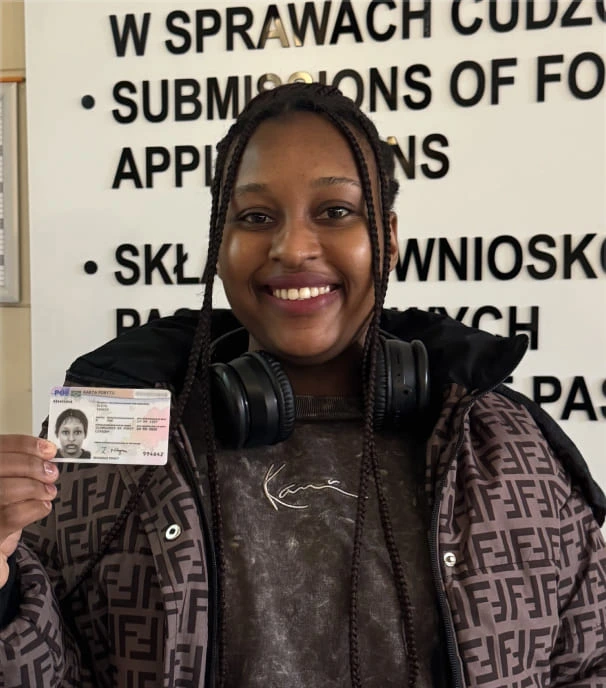
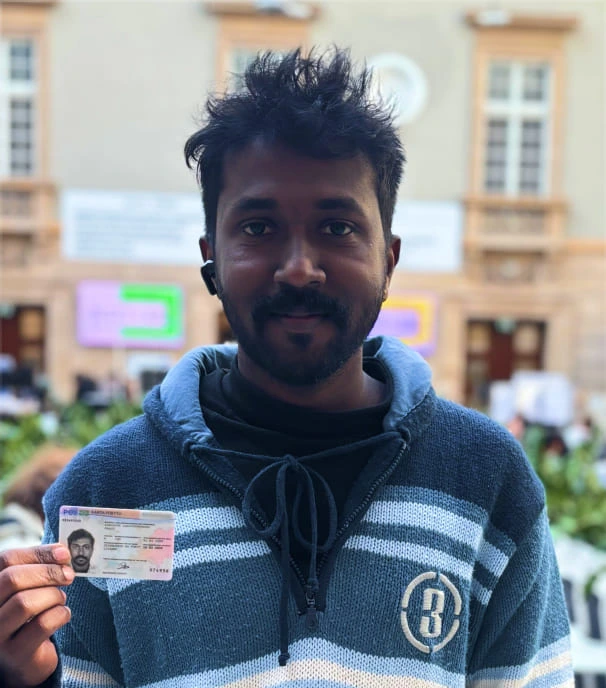
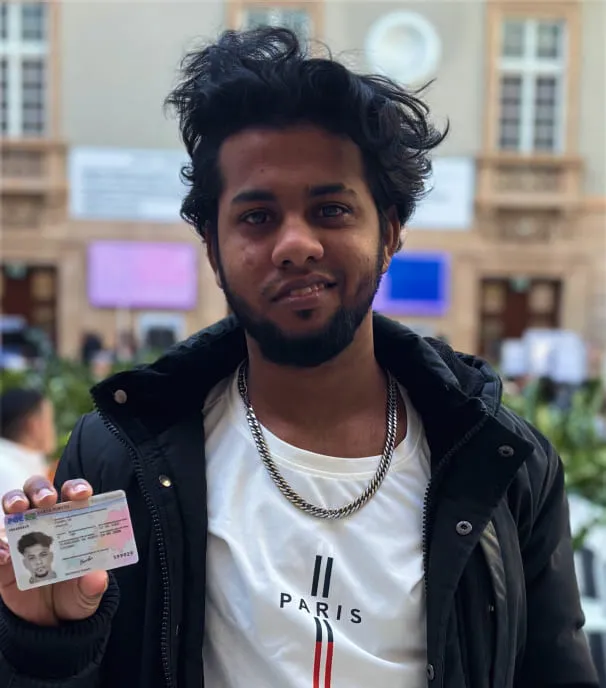
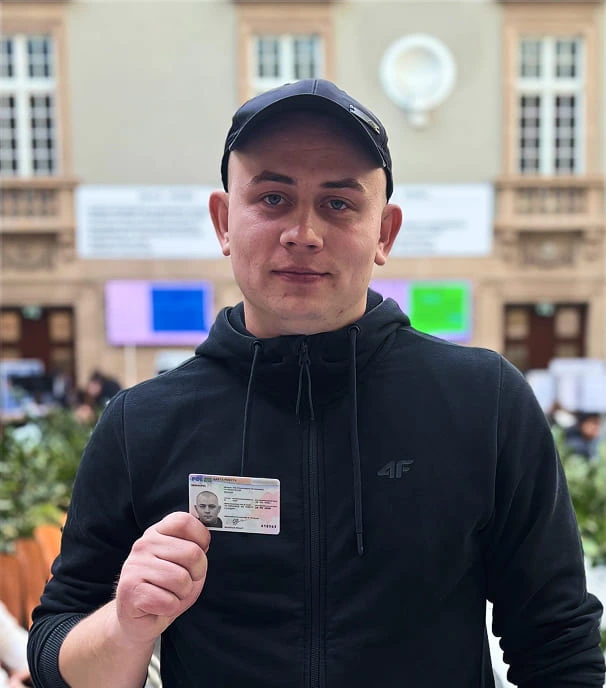
After a positive decision, a person receives more than just a plastic document. They gain a much higher level of predictability: they can more confidently plan work, everyday matters, housing rental, banking processes, and their next steps in Poland. It is also worth taking into account that government explanations for this category provide for the possibility of later applying for a Polish travel document for a foreigner, provided the legal conditions are met.
In other words, a properly prepared residence card application after D21 is not a mere technical formality, but the point from which a more stable stage of life in Poland begins.
When It Is Worth Seeking Professional Assistance
Professional help is especially important if:
- you are not sure whether you qualify under this specific basis;
- your status has already changed after the D21 visa;
- you have missed some deadlines or do not understand what to do next;
- the office has already sent summonses or requested additional documents;
- you need not just an application, but a full legalization strategy for the future.
In such situations, it is important not simply to “fill out the form,” but to see the full picture: what your current status is, how strong the humanitarian basis is, whether another path would be more beneficial, and how not to lose time on the wrong procedure.
We Will Help You Prepare a Strong and Clear Filing Strategy