 UK
UK  EN
EN  RU
RU 

Not every legalization in Poland case fits into a standard pattern: work, studies, marriage, business, or family reunification. In practice, things are often different: the grounds may seem to exist, but they do not fit a typical category, or the person’s situation has already gone beyond the “usual” scenario. It is precisely for such cases that Polish law provides a mechanism for temporary residence based on other circumstances — zezwolenie na pobyt czasowy ze względu na inne okoliczności. Official Polish government services explicitly state that this is a separate category of temporary residence permit предусмотрed by the Act on Foreigners.
This is not a “backup option just in case” and not a magic basis that works for everyone. But in the right case, it can truly save the situation: help legalize the stay of a family member, give a graduate of a Polish university time to look for a job, allow someone to remain in the country because of important family circumstances, or resolve a non-standard status that does not fall under other typical procedures.
We Will Assess Your Situation and Suggest a Safe Legalization Path

In this article, we will explain in simple terms what a residence card based on other circumstances means, who it may suit, what rights it grants, where people most often make mistakes, and what the document submission process looks like in practice. No unnecessary theory, but with a focus on what truly matters for a person who wants to stay in Poland legally.
What a Residence Card Based on Other Circumstances Is
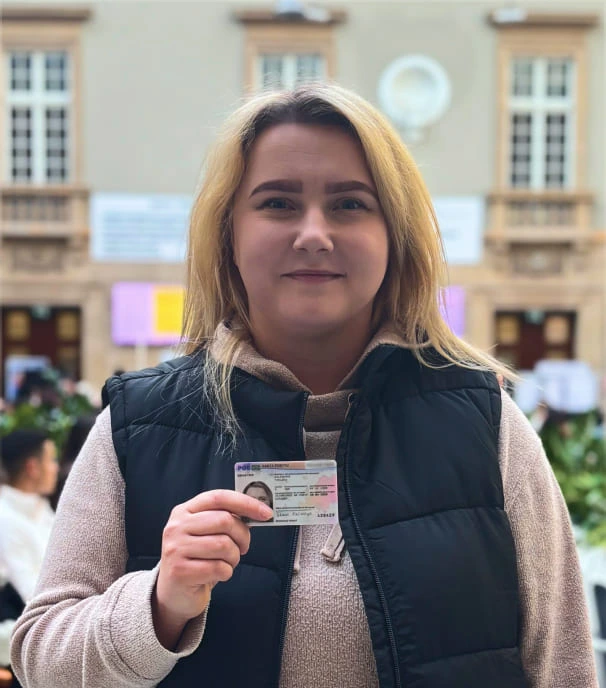
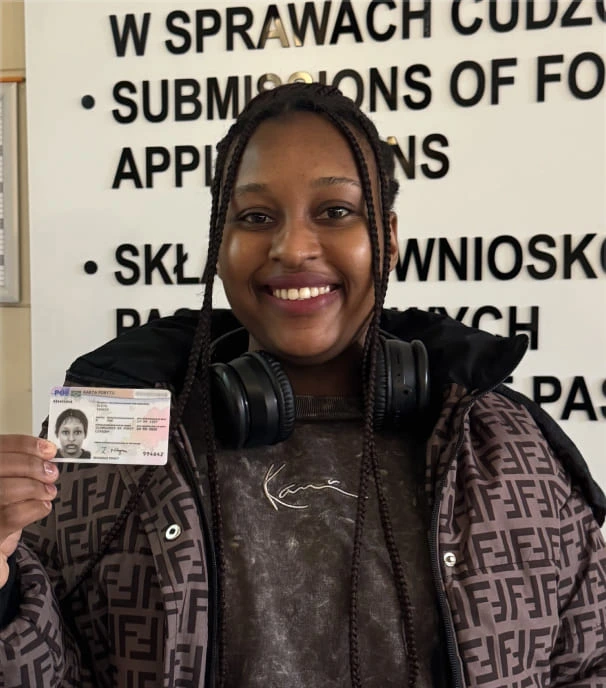
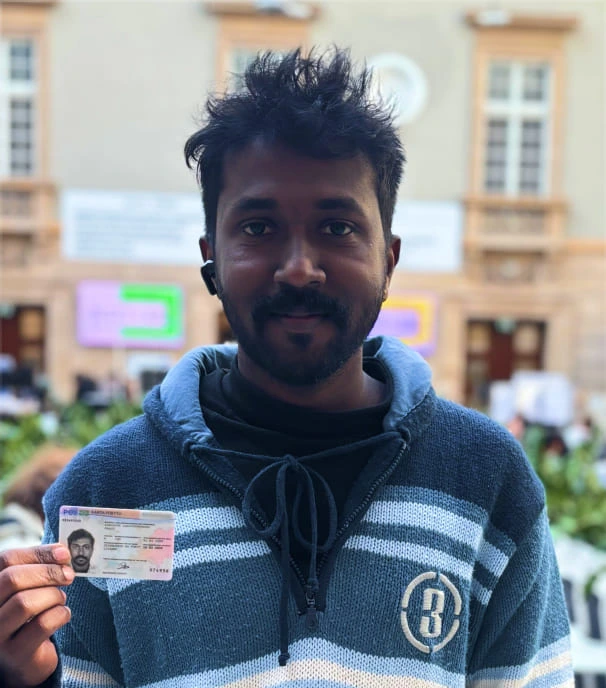
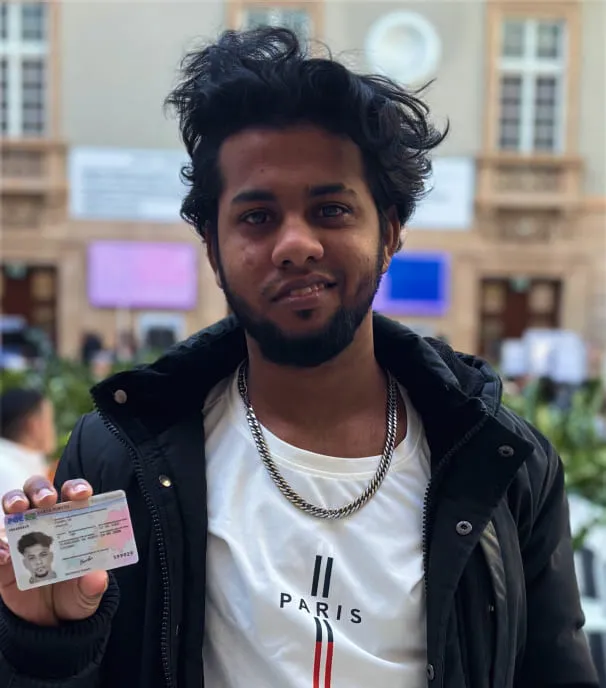
In essence, this is a temporary residence permit that is issued when your situation does not fit standard grounds, or when the law expressly allows the use of a separate category of “other circumstances.” It is important to understand the difference: first, the voivode issues a decision granting the residence permit, and only afterward is the plastic residence card itself issued as a document confirming that status. In everyday speech, these terms are often mixed up, but legally they are not the same thing.
The main difficulty of this category is that it combines very different cases. Some of them are described quite clearly, while others leave the voivode room to assess a specific life situation. That is why two cases that look similar at first glance may end differently if the documents are weak, the logic of the case is not properly explained, or the grounds are chosen poorly.
What Rights This Type of Card Grants
If the permit has already been issued, the foreigner has the right to stay legally in Poland throughout its entire validity period. In addition, the residence card as a document allows multiple crossings of the Polish border within the period of its validity and travel within the Schengen Area under the general rules for short-term stays. At the same time, the mere fact of having a stamp or a pending case does not automatically grant the right to move freely around Schengen: official sources separately emphasize that the stamp confirms the legality of the stay in Poland, but does not give the right to cross the border.
Another important point: if the application is submitted on time and without formal errors, the foreigner’s stay in Poland is considered legal from the date of submission until the moment when the decision in the case becomes final. This is critical for those whose visa or other previous document is expiring and who are afraid of “falling out” of legal status while waiting.
Can You Work With a Residence Card Based on Other Circumstances?
In most cases, this type of card by itself does not open access to the labor market. In other words, it legalizes your stay, but does not automatically give you the right to work without an additional basis. That is why you need to look very carefully at what type of permit you have actually received, rather than relying only on the general name “residence card.” At the same time, there are certain exceptions provided by law, for example for some categories of persons with EU long-term resident status in another member state, where official resources explicitly indicate the possibility of working without a separate permit.
Who This Basis May Actually Suit
This is where the most important part begins. The “other circumstances” category does not mean that you can simply describe any difficult life situation and receive a positive decision. Your case must either directly follow from the law or be so well justified that it falls under one of the evaluative grounds that the voivode is entitled to consider.
1. Family Members of a Foreigner Already Legally Staying in Poland
One of the most common real-life situations is when the main applicant is already working or running a business in Poland, and their close family members want to legalize their stay together with them, but classic family reunification does not yet apply. In such cases, “other circumstances” sometimes become a workable solution if family ties, income, housing, and other basic requirements are confirmed. Government MOS services, in their lists of documents for this category, explicitly indicate the need to confirm income, housing, health insurance, and documents justifying the basis for staying longer than 3 months.
2. Graduates of Polish Universities
If a foreigner has graduated from a Polish university, they may apply for temporary residence based on other circumstances in order to look for work or start a business. Official MOS information directly states that for a graduate of a Polish university, such a permit is granted for up to 9 months. This is not a long-term solution, but it is a very useful transitional stage when there is no need to leave urgently and instead there is time to calmly look for a job, an employer, or build a new basis for residence.
3. Persons for Whom the Right to Family Life or the Best Interests of the Child Are Important
There are also specific situations in which the state must take into account the right to family life or the rights of the child. MOS places such grounds in special sections and directly links them to the category of temporary residence based on other circumstances under Article 187. This is especially important in crisis cases: when a person has lost their previous status, but their removal would violate the interests of the child or lead to a disproportionate disruption of family ties. Such cases are highly sensitive to detail and almost always require strong documentary justification.

4. Persons With EU Long-Term Resident Status Granted in Another Country
This is a separate and fairly specific category. If a person has EU long-term resident status granted not by Poland but by another member state, Polish law provides a special mechanism of temporary residence based on other circumstances for them. MOS highlights this procedure separately and states that such a basis may also apply to certain family members. This category has its own requirements regarding the purpose of stay, income, insurance, and documentation.
5. Persons Continuing Education or Professional Training in a Non-Standard Format
Not every type of education automatically falls under the classic student residence permit. For some programs, courses, or vocational training, other circumstances may apply. In the document lists for vocational training, MOS emphasizes the requirement to provide proof of the purpose of stay, a travel document, photos, insurance, and other evidence confirming the legitimacy of staying for more than 3 months. This means that non-standard education can sometimes indeed be legalized, but only if it is properly structured and supported by documents.
When “Other Circumstances” May Be Better Than a Standard Basis
Sometimes people try to “force-fit” their situation into work, studies, or family reunification, although in reality the case belongs to another category. This is a mistake. If the basis is formally weak, the urząd will see it very quickly. As a result, the person loses months of waiting, money on fees, and time that could have been spent on the right strategy from the very beginning. That is why in some cases it is more honest and stronger to apply straight away under other circumstances instead of imitating a standard scenario that does not reflect reality.
This is especially true for family cases, graduates, non-standard educational situations, and cases where the rights of the child or the right to family life are important. Here, success does not go to the person who submits “more papers,” but to the one who builds a logical position: why this person is staying in Poland, on what basis, what confirms it, and why this specific type of residence permit is the correct one.
Which Documents Are Usually Required
The basic package in such cases is similar to other temporary residence procedures: an application, photographs, a valid travel document, proof of health insurance, proof of accommodation, sufficient financial means, and documents proving the specific basis for stay. In the sections dedicated to “other circumstances,” MOS directly lists these groups of documents and emphasizes that in particularly justified cases, if there is no valid travel document, other identity documents may be accepted.
- a completed application for temporary residence;
- current photographs;
- an international passport or another acceptable document;
- health insurance;
- documents confirming income or the availability of funds;
- proof of residential address;
- evidence of the specific basis — a diploma, documents confirming family ties, certificates, proof of education, explanations of circumstances, etc.
In practice, the weakest point in most cases is not the application form, but the evidentiary basis itself. The urząd must understand not only the formal legal basis, but also the real logic of your stay. If the documents do not show a complete picture, you will almost certainly be asked to provide additional explanations or papers. And that automatically delays the case.
How Much the Application Costs
For most temporary residence applications, the standard stamp duty is 340 PLN. After a positive decision, a separate fee of 100 PLN is charged for issuing the residence card, and for minors a reduced fee of 50 PLN applies. These amounts are confirmed by the official pages of the Urząd do Spraw Cudzoziemców and voivodeship offices.
What the Application Procedure Looks Like
The general logic is standard: prepare a package of documents, submit the application to the voivode responsible for your place of stay, go through the formal verification, provide fingerprints, wait for letters from the urząd, and receive the decision in the case. Official resources also confirm that the application is submitted specifically to the voivode competent for the foreigner’s place of stay.
- Prepare the Correct Basis. First, you need to clearly understand why your case belongs under “other circumstances” rather than work, studies, or another classic type of residence permit.
- Gather the Evidence. This is what determines whether the case will look convincing.
- Submit the Application on Time. Ideally, before your legal stay expires, in order to preserve continuity of status.
- Monitor Letters From the Urząd. If they ask you to provide additional documents, you must respond within the deadline.
- After a Positive Decision, Pay for the Issuance of the Card. Only after that does the final stage of issuing the plastic card begin.
For How Long a Residence Card Based on Other Circumstances May Be Issued
There is no single number for everyone here. The period depends on the exact basis under which the person is applying. For example, for graduates of Polish universities, MOS directly states a period of up to 9 months. For other categories, the duration is often tied to the confirmed purpose of stay, the period of education, the family situation, or another documented period. That is why the question “how long will it be granted for” must always be assessed through the specific case, not through general advice from forums.
Why Refusals or Delays Most Often Happen
The most common problems here are fairly straightforward: the wrong basis is chosen, the situation is explained weakly, there are no documents confirming income, housing, or insurance, or the person applies “blindly” without understanding how the voivode will view their story. The second major problem is when the applicant confuses the right to stay with the right to work and does not check what status they will actually receive. The third is ignoring letters from the urząd or failing to provide documents on time.
It is also worth remembering: even if your case seems obvious to you, for the urząd it must still be proven. In the “other circumstances” category, this is especially important because there is less standardization here and more assessment of the real substance of the situation. That is why the same life story, presented differently, can end in a completely different result.
Applying for a Residence Card (Other Circumstances): When You Need a Lawyer’s Help
If you have a non-standard family case, your previous status is expiring, there are problems with documents, your education does not fit the usual student basis, you want to legalize a child’s stay, or you are afraid of making a mistake in formulating the grounds — it is better not to experiment. The “other circumstances” category can be very useful, but only when it is chosen accurately and supported by strong reasoning. This is exactly where a professional case analysis often saves not only time, but also months of waiting, repeat applications, and the risk of refusal.
We Will Review Your Situation and Prepare a Strong Application Strategy